

Blog
After Mold Remediation in Michigan: Do You Need a Clearance Test?

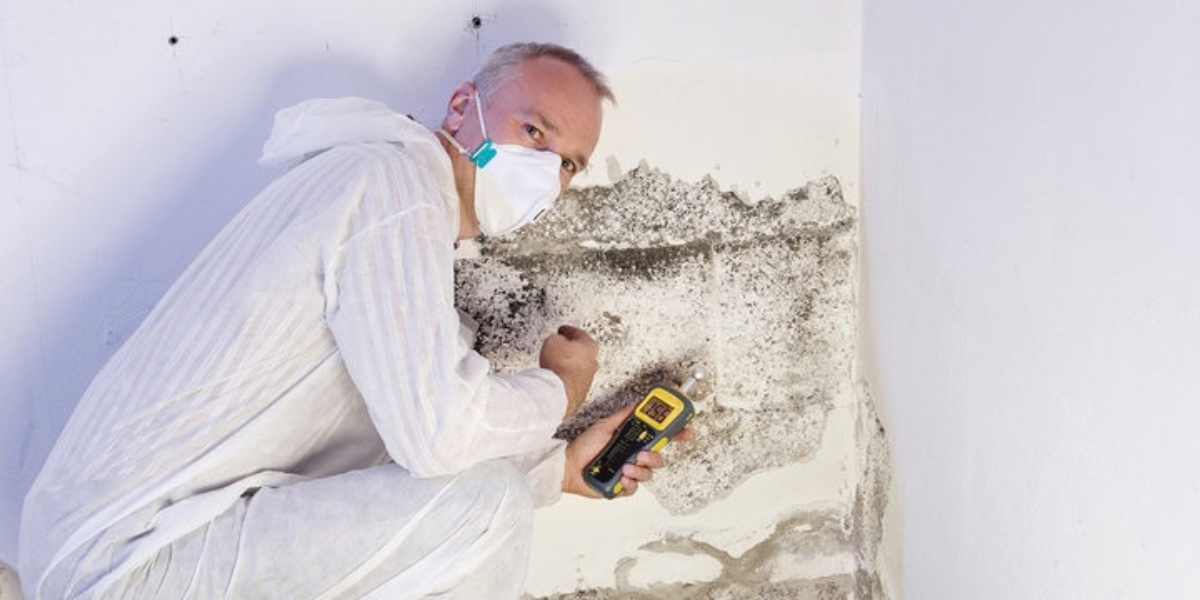
Mold remediation removes visible growth and treats affected surfaces. What it cannot do is confirm that airborne spore concentrations in the home have returned to normal background levels. That confirmation requires a clearance test, which is an independent air sampling test conducted after remediation is complete. Without a clearance test, you have the remediation contractor’s word that the job is finished. With one, you have laboratory data from a third party with no financial stake in the outcome.
Lakeshore Air Testing provides independent post-remediation clearance testing throughout Grand Rapids, Kalamazoo, Holland, Muskegon, and West Michigan. This guide covers what a clearance test checks, why independent testing matters, and when to schedule one after remediation work.
What a Mold Clearance Test Is
A mold clearance test is an air sampling inspection conducted after remediation to verify that the work was effective. It uses the same air sampling methodology as an initial mold test: spore trap cassettes collect air from the remediated area, from other rooms in the home, and from an outdoor control location. The laboratory compares indoor results to the outdoor baseline to determine whether indoor spore concentrations have returned to a level consistent with normal background conditions.
A clearance test does not just confirm that the visible mold is gone. It answers a more important question: is the air in the remediated space safe? Remediation that removes surface mold but leaves elevated airborne spores in the room, the HVAC system, or adjacent spaces has not fully resolved the problem.
With Clearance Testing vs. Without: What Changes
The table below compares how four practical situations play out depending on whether a clearance test was conducted after remediation.
| Situation | Without a Clearance Test | With a Clearance Test |
| Proving the job is done | You rely on the remediation contractor’s own assessment of their own work | Independent laboratory data confirms indoor spore levels are at background |
| Mold returns within months | No baseline to prove whether the original remediation was incomplete or a new issue developed | Written clearance report establishes a dated baseline for comparison |
| Selling the Michigan home | Buyer or buyer’s inspector may flag the prior remediation as unverified | Clearance report on file is disclosure documentation — professionally verified |
| HVAC carrying spores | Remediation of a surface area may leave HVAC-distributed spores throughout the home | Air sampling covers all rooms and identifies whether HVAC is still spreading elevated counts |
| Insurance documentation | Gap in record between remediation invoice and confirmed resolution | Complete documented trail from initial test through remediation to confirmed clearance |
Why the Clearance Test Must Be Independent
The clearance test should always be conducted by a different company than the one that performed the remediation. This is not a formality. It is the only way to ensure that the results are unbiased.
A remediation contractor who conducts their own clearance test has a financial incentive to report that the job is complete. An independent inspector who performs only the testing has no stake in the remediation outcome. The distinction matters if results are ever disputed with a homeowner, a buyer’s agent, an insurance adjuster, or in a legal context.
Professional remediation contractors understand this and will generally recommend independent clearance testing. If a contractor actively discourages an independent clearance test, that is worth noting.
The EPA provides guidance on post-remediation verification at epa.gov/mold/mold-cleanup-your-home. For Michigan homeowners who have completed remediation, reviewing this resource clarifies what the clearance process is intended to verify.
When to Schedule a Clearance Test After Michigan Mold Remediation
Most clearance tests are scheduled 24 to 72 hours after remediation work is complete and the containment area has been cleaned. This gives time for any spores disturbed during remediation to settle before air sampling takes place. Your remediation contractor can advise on the specific timing for your project.
A clearance test is particularly important in Michigan when:
• Remediation involved a basement, crawl space, or HVAC-adjacent area — spaces where spores can re-enter living areas through the forced-air system
• The remediation covered a significant area, such as an entire basement room or multiple wall cavities
• You are planning to sell the property and need documented verification of the remediation outcome
• The home will be sealed up for winter shortly after remediation, and you want to confirm air quality before extended indoor time increases
• Household members have respiratory conditions and cannot tolerate elevated spore levels if the remediation was incomplete
What a Clearance Test in Michigan Includes
• Air sampling. Spore trap cassettes collect air from the remediated space, from primary living areas, and from an outdoor control location. Results are compared by the laboratory to determine whether indoor levels have returned to background.
• HVAC assessment. If the remediated area was connected to the home’s HVAC system, the air handler and accessible ductwork are checked to confirm spores are not being redistributed through the system.
• Visual inspection. The remediated area is inspected for any visible remaining growth or conditions that would indicate the moisture source was not fully addressed.
• Written clearance report within 24 to 48 hours. The report documents air sampling results by room and location, compares them to the outdoor baseline, and provides a clear statement of whether the remediated space meets clearance criteria.
If the clearance test finds that spore levels remain elevated, the report identifies which areas still require attention. That data goes directly to the remediation contractor to address before a second clearance test is conducted.
Frequently Asked Questions
Do I need a clearance test after mold remediation in Michigan?
A clearance test is not legally required for residential properties in Michigan, but it is strongly recommended. Remediation removes visible mold and treats affected surfaces, but a clearance air sampling test is the only way to confirm with laboratory data that indoor spore concentrations have returned to normal background levels. Without it, you have only the remediation contractor’s word that the job is complete.
Who should perform the clearance test after mold remediation?
The clearance test should be performed by a different company than the one that did the remediation. An independent third-party inspector has no financial stake in the remediation outcome. A remediation contractor should not conduct their own clearance test, as this creates a conflict of interest in the results.
How long after remediation should I wait before a clearance test?
Most clearance tests are scheduled 24 to 72 hours after remediation work is complete and the containment area has been cleaned. This allows time for any airborne spores disturbed during remediation to settle, giving the air sampling a more accurate reading of post-remediation conditions. Your remediation contractor can advise on the specific timing.
How much does a mold clearance test cost in Michigan?
Mold clearance testing through Lakeshore Air Testing starts from $150. That covers the on-site inspection, air sampling from the remediated area and additional rooms, an outdoor control sample, laboratory analysis, and a written clearance report returned within 24 to 48 hours.
What happens if the clearance test fails?
If clearance sampling shows that indoor spore levels remain elevated, the remediation did not fully resolve the problem. The written report identifies which areas still have elevated levels and which species are present. This gives the remediation contractor the specific information needed to address the remaining issue before the clearance test is repeated.
