

Blog
Mold Testing vs. Air Quality Testing: What’s the Difference?

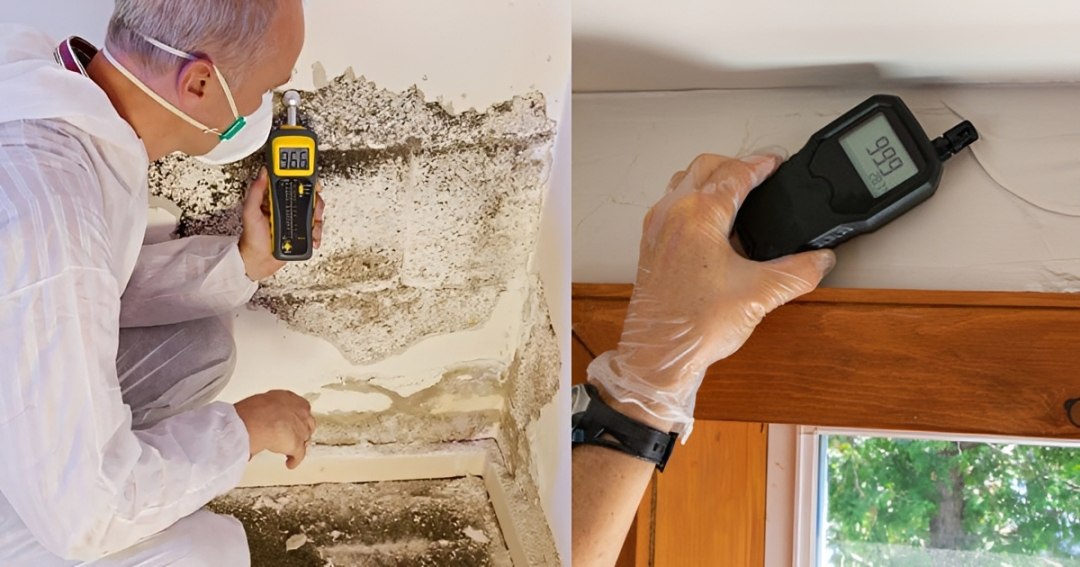
These are two separate tests that measure different things. Mold testing identifies the presence, species, and concentration of mold spores in the air or on surfaces. Air quality testing is a broader category that screens for multiple contaminants including volatile organic compounds, carbon monoxide, particulates, and humidity. You can have elevated mold without other air quality problems, and you can have poor air quality with no mold present at all. Knowing which test you need gets you the right data without spending time or money on the wrong one.
At Lakeshore Air Testing, this is one of the most common questions we hear from Michigan homeowners. The answer depends on what you are actually concerned about in the property.
What Mold Testing Covers
Mold testing is a targeted investigation. It is designed to answer specific questions: is mold present, which species, and at what concentration in the air?
The standard process uses spore trap cassettes to collect air from inside the property and an outdoor control location. The indoor and outdoor results are sent to a laboratory. The lab compares them to determine whether indoor spore levels are elevated above what is naturally present outside.
Surface samples can be added if there is visible discoloration or suspected growth. A tape lift or swab is taken from the surface to identify which species is present.
The laboratory report identifies every mold species detected and its concentration in spores per cubic meter of air. This is specific, actionable data. You know exactly what is in the air, at what level, and whether it requires remediation.
What Air Quality Testing Covers
Air quality testing is a broader health screening. Rather than targeting one specific contaminant, it measures several at once. Depending on the scope of the test ordered, it can include:
• Volatile organic compounds (VOCs) released by paints, adhesives, flooring, cleaning products, and building materials
• Carbon monoxide and carbon dioxide particularly relevant in homes with gas appliances or poor ventilation
• Airborne particulates (PM2.5 and PM10) fine particles that affect respiratory health
• Relative humidity and temperature elevated humidity is an indirect mold risk indicator
• Basic mold screening some air quality tests include a mold component, but it is less detailed than a dedicated mold test
The U.S. Environmental Protection Agency provides guidance on indoor air quality standards and contaminants at epa.gov/indoor-air-quality-iaq. Air quality testing measures whether a home meets those thresholds across multiple categories at once.
Side-by-Side Comparison
| Mold Testing | Air Quality Testing |
| Targets mold spores specifically | Screens multiple contaminants at once |
| Identifies species by name | Does not identify mold species |
| Measures spore concentration (spores/m3) | May flag elevated humidity as mold risk signal |
| Uses lab-analyzed air and surface samples | Uses meters, sensors, and/or collected samples |
| Results: 24 to 48 hours written report | Results: varies by test type |
| Best for: mold concerns, water damage, pre-purchase | Best for: VOCs, CO concerns, general wellness check |
| Output: species ID + spore count per sample location | Output: contaminant levels across multiple categories |
When Mold Testing Is the Right Choice
A dedicated mold test is the appropriate choice when:
• You can see discoloration, water staining, or suspected mold growth anywhere in the property
• There is a persistent musty or earthy smell, even if nothing is visible
• You are buying a house and want to test before closing
• The property has a history of water damage, flooding, or roof leaks
• Someone in the home has unexplained allergy or respiratory symptoms that improve when they leave
• You have completed mold remediation and need a clearance test to confirm the work was effective
When Air Quality Testing Is the Right Choice
A broader air quality test is more appropriate when:
• The home was recently renovated and you are concerned about VOC off-gassing from new flooring, paint, or adhesives
• You have concerns about carbon monoxide, particularly in older homes with gas appliances or aging ventilation
• There is no specific mold concern but you want a baseline health assessment of the indoor environment
• A household member has general respiratory sensitivity and the cause is unclear
Can You Need Both Tests?
Yes, in some situations both tests are warranted. If a home has had recent water damage and also has new flooring recently installed, mold testing for the water-affected area and air quality testing for VOC off-gassing from the new materials address two separate concerns at once.
Lakeshore Air Testing can assess your situation and recommend which combination of tests gives you the information you actually need. Both can typically be completed in the same visit, which is more efficient than scheduling two separate appointments.
Frequently Asked Questions
Does air quality testing detect mold?
Air quality testing may flag elevated humidity or particulate levels that suggest a mold problem, but it does not identify mold species or measure spore concentration. If mold is your specific concern, a dedicated mold test using air sampling cassettes and laboratory analysis is the appropriate tool.
Is mold testing more expensive than air quality testing?
Pricing depends on the scope of the test ordered. At Lakeshore Air Testing, mold testing starts from $150. Contact us to discuss which test applies to your situation and what the cost would be.
Can mold testing and air quality testing be done at the same time?
Yes. If your situation warrants both tests, they can be scheduled in a single visit. This is more efficient than two separate appointments and gives you a complete picture of your indoor environment.
How long do mold testing and air quality testing results take?
For mold testing, laboratory results are returned within 24 to 48 hours and you receive a written report with full findings. For air quality testing, timelines depend on the specific contaminants being measured. Ask when scheduling so you know what to expect for your particular test.
What if my home has both mold and other air quality concerns?
Both can be addressed. A mold test handles the mold-specific investigation with species identification and spore counts. A separate air quality test covers VOCs, particulates, and other contaminants. Lakeshore Air Testing can assess what is needed and schedule both in a single visit if appropriate.
Not sure which test is right for your situation?
Lakeshore Air Testing serves West Michigan, including Grand Rapids, Kalamazoo, Holland, Grandville, Zeeland, Hudsonville, and surrounding areas. Call us and we will tell you exactly which test applies to your situation. Testing starts from $150. Results within 24 to 48 hours.
