

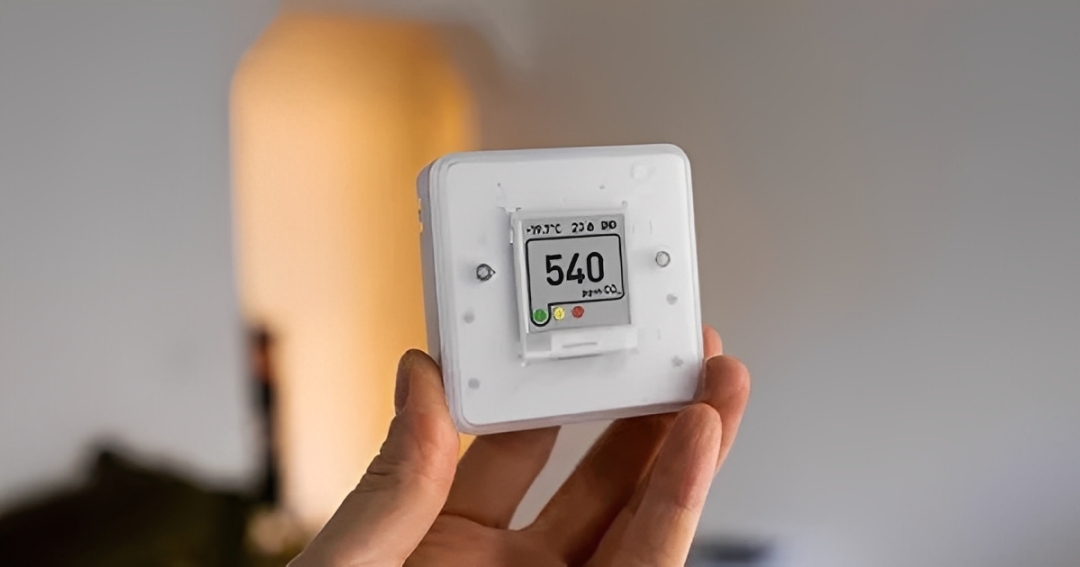
Most people think about pollution as something outside like cars, factories, smoke, traffic. But the truth is more surprising. The air inside your home can be more polluted than the air outside. And families spend most of their time indoors without even realizing how much this affects their health. Indoor pollutants are rising, and understanding them matters more than ever. This guide breaks it down in simple, real language so every family can protect their home and breathe with ease.
Why Indoor Air Pollution Is Becoming a Bigger Problem
Homes are meant to feel safe. Warm. Comfortable. But modern living has changed the way we build and maintain our spaces. Houses are sealed tighter than before. We rely more on artificial fragrances, cooking appliances, and chemical cleaners. We spend long hours indoors working, studying, and relaxing.
All of that leads to one thing: rising indoor air pollution.
Pollutants don’t escape easily. Dust stays trapped. Humidity builds up. Smoke sticks around. Chemicals from candles, cleaners, paints, and furniture settle into the air. Without proper ventilation, everything lingers and circulates right back into your lungs.
Improving internal air quality is no longer optional. It’s essential for families who want to feel healthier, sleep better, and prevent chronic issues.
What Indoor Pollutants Really Look Like
Indoor pollutants are often invisible. You don’t see them floating around, yet you breathe them every minute. These include:
- Dust mites
- Mold spores
- Pet dander
- Smoke from cooking or candles
- Volatile organic compounds (VOCs) from cleaners, paint, carpets, and furniture
- Gas leaks or fumes
- High levels of CO₂ from poor ventilation
Each one affects your household air quality, and together they can create an environment that slowly hurts your health.
The scariest part? Many families don’t notice the signs until symptoms appear.
Common Health Symptoms Caused by Poor Indoor Air Quality
Poor air quality inside house spaces shows up in ways people brush off as normal:
- Constant fatigue
- Headaches that appear for no reason
- Itchy eyes
- Sneezing or runny nose
- Dry throat
- Trouble concentrating
- Asthma flare-ups
- Skin irritation
- Worsening allergies
Kids may show symptoms faster because their lungs and immune systems are still developing. Elderly family members may struggle with breathing and energy levels. And adults who work from home feel the effects daily without understanding why.
If your home feels stuffy or certain rooms always smell “off,” your indoor air may already be hurting you.
Indoor Air Pollution in Homes: Where Does It Come From?
Indoor pollution doesn’t appear out of nowhere. It builds up slowly from everyday things you don’t think twice about.
1. Cooking
Frying releases fine particles that settle deep into your lungs. Gas stoves release nitrogen dioxide, which can cause irritation and breathing problems.
2. Cleaning Products
Many cleaners contain VOCs. These chemicals release fumes long after the product is used. Even “fresh scent” sprays add to indoor air pollution in homes.
3. Carpets and Furniture
New furniture, glue, adhesives, foam, and carpets release chemicals as they age. This is called off-gassing, and it happens quietly over months or years.
4. Mold and Moisture
Bathrooms, basements, and kitchens collect moisture. That moisture creates mold spores, which circulate through the air and trigger allergies.
5. Pet Dander
Pet hair isn’t the problem. The tiny particles of skin that pets shed are what affect breathing.
6. Smoking and Candles
Smoke remains trapped indoors for hours. Even scented candles release soot and chemicals you don’t notice.
7. Poor Ventilation
Sealed windows, closed doors, and air-tight homes trap bad air inside, letting pollution build to unsafe levels.
Every home has at least one of these issues. Most have several. And the effects add up fast.
Why Families Should Care About Internal Air Quality
Your home shapes your health more than you think. Clean air keeps your body functioning smoothly. Polluted air forces it to work harder.
Better internal air quality can lead to:
- clearer breathing
- better sleep
- stronger immunity
- fewer headaches
- calmer moods
- better focus for kids
- reduced allergies
- easier mornings
- more energy overall
Families often spend money on supplements, medicines, or fancy products to feel better. But so many issues start with the air they breathe at home.
How to Improve Household Air Quality Without Stress
You don’t need expensive machines or hard routines to make your air safer. Simple changes have powerful results.
Open Windows When You Can
Fresh air is the easiest way to reduce indoor pollution.
Use Exhaust Fans
Especially in bathrooms and kitchens where moisture and fumes collect fast.
Avoid Strong Chemical Cleaners
Switch to milder, non-toxic products whenever possible.
Keep Filters Clean
HVAC, air purifiers, and even vacuum filters need regular cleaning to stay effective.
Control Humidity
Aim for 30–50% humidity to prevent mold growth.
Vacuum and Dust Regularly
But use a vacuum with a HEPA filter for better results.
Check for Hidden Mold
Even small patches can affect your whole home.
These steps help, but they don’t replace expert testing. Many pollutants can’t be detected with the nose or eyes. Only professional testing identifies hidden issues and gives you clear steps to fix them.
Why Professional Air Testing Matters
You can’t fix something you can’t see. You may suspect something feels “off” at home, but without proper testing, you never know what’s really in your air. Professional assessments measure pollutants, humidity levels, chemical exposure, mold presence, and ventilation health.
This gives you real answers. Real numbers. Real solutions.
And once you know what’s inside your air, you can take action with confidence. Families deserve that peace of mind.
Your Home Should Support Your Health, Not Work Against It
Every family deserves clean air. Every child deserves a home that supports their growth. Every parent deserves energy instead of fatigue.
Better air turns your house into a healthier, calmer place. It improves focus, sleep, moods, and long-term wellness. It’s one of the most powerful changes you can make, and it starts with understanding what’s really in your air.
Breathe Easier With Support You Can Trust
If you want to understand the true state of your home’s air and make informed choices, Lakeshore Air Testing can help. They offer detailed, reliable indoor air assessments that show exactly what is affecting your space. Their experts make the process simple and stress-free, giving you clarity and confidence as you create a healthier home for your family.
Clean air starts with knowledge. Lakeshore Air Testing is here to guide you toward a fresher, safer home.