
Lead Paint & VOC Testing Michigan | Lakeshore Air Testing
50+ compounds identified. Lab results in 24–48 hrs. Starting from $150.
Certified Inspectors
ACAC & NIOSH-trained professionals
Results you can stand behind in court
Most results within 2 business days
Home » Lead and VOC testing
Lead & VOC Testing Michigan — Two Silent Threats, One Expert Visit
Professional mold, asbestos, and lead & VOC testing. Starting from $150 per test. Results in 48 hours
Lead Testing: The Problem
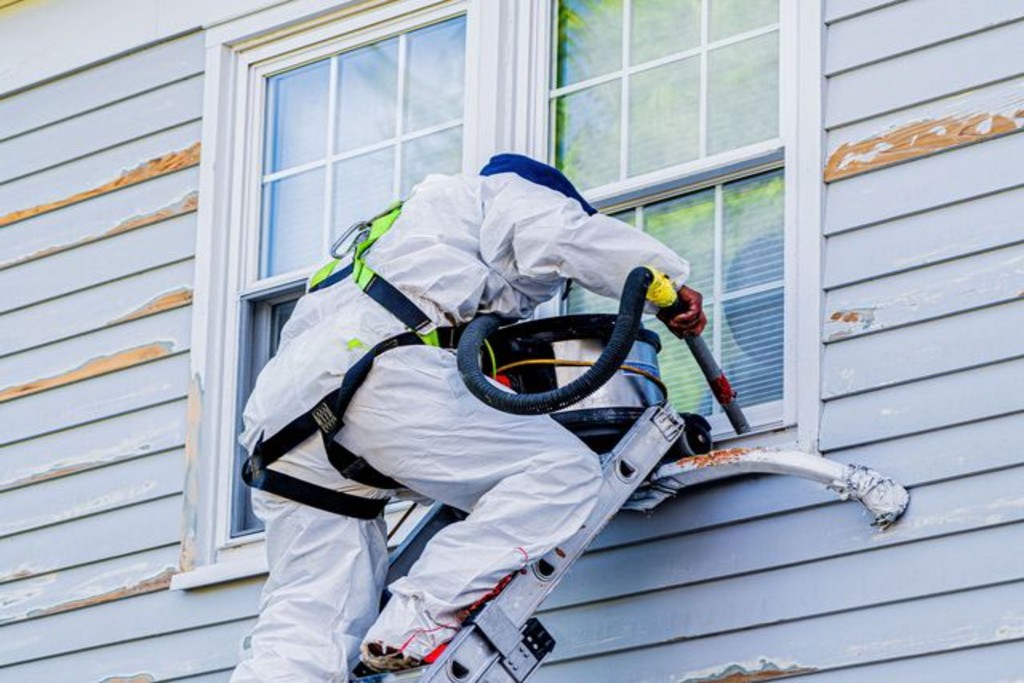
Lead paint was banned in residential use in the United States in 1978. But Michigan’s housing stock is old. More than 70% of homes in cities like Kalamazoo, Grand Rapids, and Muskegon were built before the ban. Lead-based paint in good condition is generally not immediately dangerous — but it becomes an acute hazard when it deteriorates, chalks, chips, peels, or is disturbed during renovation work. Lead dust is invisible, odorless, and tasteless. Children under six are the most vulnerable: even very low levels of lead exposure cause irreversible neurological damage, learning disabilities, and behavioral problems. There is no safe level of lead exposure for children.
Adults exposed to lead dust and chips over time face elevated risks of cardiovascular disease, kidney damage, hypertension, and reproductive harm. For rental property owners and landlords, Michigan law creates specific disclosure and remediation obligations when lead-based paint hazards are identified.
VOC Testing: The Problem
Volatile organic compounds (VOCs) are chemicals that evaporate at room temperature and accumulate in indoor air. Sources in the average Michigan home include latex and oil-based paints, adhesives, sealants, cleaning products, pressed wood furniture and flooring (formaldehyde), carpeting, dry-cleaned clothing, air fresheners, pesticides, and new construction materials. The EPA estimates that VOC levels in indoor air are 2 to 5 times higher than outdoor air — and in newly renovated or newly furnished spaces, can be 10 times higher. Short-term exposure causes headaches, dizziness, and eye, nose, and throat irritation. Long-term exposure to certain VOCs (benzene, formaldehyde, trichloroethylene) is associated with liver damage and cancer.
Why Test for Both in One Visit
Lead paint and VOC contamination frequently co-exist in the same homes. Pre-1978 Michigan homes that have been repainted multiple times often have both layers of lead-based paint and VOC-heavy new paint or adhesives. Testing for both in a single visit saves time, reduces disruption, and gives you the complete picture of chemical exposure risk in one consolidated report.
Everything Included in Your
Lead & VOC Inspection
commonly occur together and testing both in one visit is more efficient and cost-effective than separate bookings.
XRF Lead Paint Scanning (Non-Destructive)
X-ray fluorescence (XRF) technology scans through all paint layers simultaneously — no scraping, no damage to surfaces. We test walls, windows, doors, trim, railings, and exterior surfaces. XRF is the EPA-preferred methodology and the only method accepted for lead disclosure in Michigan rental properties.
Wipe Sampling for Lead Dust
Surface wipe samples collected from floors, windowsills, and other horizontal surfaces where lead dust accumulates. Lead dust — not intact paint — is the primary exposure pathway for children. Wipe sampling identifies contaminated surfaces even where no paint is disturbed
Exterior Soil Sampling (If Indicated)
Where exterior lead paint deterioration is observed, soil sampling near the building perimeter identifies lead contamination from years of paint weathering. Especially important for properties with children who play near the building exterior.
EPA RRP-Compliant Lead Report
Written report meets HUD, EPA RRP, and Michigan requirements for rental property lead disclosure, renovation disclosure, and real estate transactions. Formatted for use by attorneys, real estate agents, and landlords.
Lead Paint: Michigan’s Most Common
Undetected Home Hazard
Lead-based paint was used extensively in homes built before 1978 and is present in an estimated 87% of homes built before 1940. In Michigan alone, millions of pre-1978 residential properties may contain lead paint in walls, trim, windows, doors, and exterior surfaces.
REGULATORY REQUIREMENT
Michigan law (MCL 333.5474) requires landlords to disclose known lead-based paint hazards in rental properties built before 1978. Federal HUD regulations require lead testing documentation before rental of pre-1978 properties to families with children. Real estate disclosure laws require sellers to disclose known lead paint. Renovation of pre-1978 surfaces requires EPA RRP-certified contractors. A certified lead test report is the foundation of compliance for all of these requirements.
- Irreversible neurological damage (children)
- Reduced IQ and learning disabilities
- Behavioral disorders and hyperactivity
- New furniture and foam padding (isocyanates)
- Kidney damage and cardiovascular effects (adults)
- Developmental issues in unborn children
- Friction surfaces: windows, doors, stair treads
- Pre-1978 painted trim, baseboards, railings
- Chipping or deteriorated exterior paint
- Floors and windowsills (lead dust accumulation)
- Soil near building exterior (weathered exterior paint)
- Disturbance during renovation — highest exposure risk
Indoor Air Sampling for 50+ Chemical Compounds
Air canister sampling captures a measured volume of indoor air for laboratory analysis. Results identify individual VOC compounds present, measured in parts per billion (ppb). We compare results to EPA reference values and provide plain-language health context for each compound found above threshold.
Formaldehyde-Specific Analysis
Formaldehyde is a known carcinogen found in laminate flooring, MDF cabinetry, adhesives, and certain insulation materials. It is frequently elevated in new construction and renovations. We use passive sorbent tube sampling specifically designed for accurate formaldehyde quantification.
Full Written Report with Health Context
Lab report with compound concentrations, EPA comparison values, health context, and recommended ventilation or mitigation steps. Written in plain language — not a raw lab printout. Includes a free phone consultation to walk through findings.
VOCs: The Chemical Risk That’s Worst in
New & Renovated Homes
Volatile organic compounds (VOCs) off-gas from hundreds of everyday building materials and furnishings. Unlike mold or lead, VOC exposure is often highest in brand new homes and recently renovated spaces — precisely when families feel safest.
The New Construction Problem
New flooring, cabinetry, adhesives, paint, and furnishings all off-gas VOCs simultaneously. In a sealed modern home, these compounds have nowhere to go. Formaldehyde alone — classified as a human carcinogen by the International Agency for Research on Cancer (IARC) — is found in most engineered wood products including laminate flooring, MDF, and particleboard cabinetry.
- Persistent headaches and migraines
- Fatigue and difficulty concentrating
- Eye, nose, and throat irritation
- Nausea and dizziness
- Worsened asthma and respiratory conditions
- Long-term: organ damage and cancer risk (formaldehyde, benzene)
- Laminate and engineered hardwood flooring
- MDF and particleboard cabinetry (formaldehyde)
- Paint and wood stains (benzene, toluene)
- Paint and wood stains (benzene, toluene)
- Cleaning products and air fresheners
- New furniture and foam padding (isocyanates)
Who Should Get a Mold Test
Lead Testing
- Families with children under 6 in any pre-1978 home
- Landlords — required before renting to families in Michigan
- Home buyers of pre-1978 properties
- Homeowners planning renovation of pre-1978 surfaces
- Real estate attorneys and disclosure compliance
- Pregnant women living in pre-1978 homes
- Anyone with deteriorating paint in older home
VOC Testing
- New construction occupants — first 12 months after move-in
- Homeowners after major renovation or flooring install
- Anyone experiencing unexplained headaches, fatigue, or irritation
- Anyone experiencing unexplained headaches, fatigue, or irritation
- Commercial tenants in newly fitted-out spaces
- Homeowners with new furniture or cabinets off-gassing
- Anyone with asthma or chemical sensitivities

| Compound | Primary Source | Health Effect | Action Level | Found In |
|---|---|---|---|---|
| Formaldehyde | Laminate flooring, MDF, adhesives | Carcinogen; respiratory, eye irritation | 0.1 ppm | New builds, renovations |
| Benzene | Paints, adhesives, cleaning products | Carcinogen; bone marrow damage | 0.05 ppm | Garages, painted surfaces |
| Toluene | Paint, varnish, furniture | Neurological; fatigue, dizziness | 1.0 ppm | Painted rooms, new furniture |
| Xylene | Paints, lacquers, adhesives | Eye/respiratory irritation; neurological | 1.0 ppm | Basements, workshops |
| Styrene | Insulation, plastics, carpet | Respiratory; neurological effects | 1.0 ppm | New carpet, insulation |
| Naphthalene | Mothballs, older insulation | Possible carcinogen; respiratory | 0.003 ppm | Older homes, attics |
| TVOC (Total) | Multiple sources combined | Varied; indicator of overall exposure | 0.5 mg/m³ | All homes tested |
One Visit. Two Tests. Complete Answers
Our mold testing process is thorough, systematic, and fully documented. Here is exactly what you receive
Pre-Visit Consultation & Home History Review
We discuss your home’s age, recent renovations, new materials, and health concerns. This helps us design the testing scope: which surfaces to XRF scan for lead, which rooms need air sampling for VOCs, and whether soil testing near the exterior is warranted.
On-Site Testing (Lead XRF + VOC Air Sampling)
Our inspector conducts XRF scanning of all tested surfaces (non-destructive — no scraping), collects wipe samples for lead dust, places air canisters for VOC sampling, and collects formaldehyde sorbent tubes. Typical visit duration: 60–90 minutes for a single-family home. Both tests happen in parallel during the same visit.
Laboratory Analysis (24–48 Hours)
Lead samples are analyzed by our EPA-certified laboratory. VOC air canisters are analyzed by gas chromatography-mass spectrometry (GC-MS) — the gold standard for VOC identification. Formaldehyde tubes are analyzed by HPLC. Results are returned within 24–48 hours of lab receipt
Report Delivery & Free Consultation
You receive two coordinated reports: the lead test report (EPA RRP-compliant, formatted for rental disclosure and real estate transactions) and the VOC air quality report (with compound concentrations, EPA comparison values, and mitigation guidance). A free phone consultation walks you through both reports.
Report Delivery & Free Consultation
You receive two coordinated reports: the lead test report (EPA RRP-compliant, formatted for rental disclosure and real estate transactions) and the VOC air quality report (with compound concentrations, EPA comparison values, and mitigation guidance). A free phone consultation walks you through both reports.
Testimonials
Our Clientele Stories
Posted on GoogleTrustindex verifies that the original source of the review is Google. In searching for an air testing company, I was discouraged due to the discrepancy in pricing. However, when speaking with Mike at Lakeshore Air Testing, I immediately felt at ease because of Mike's professionalism, ability to explain the testing process, and the lower cost without sacrificing the necessary requirements. I'm so glad I went with Lakeshore Air Testing and highly recommend them to anyone who is looking to test the air quality in their home.Posted on GoogleTrustindex verifies that the original source of the review is Google. Mike and the Lakeshore Air Testing team are top notch! Quality service, knowledgable and easy to communicate with.Posted on GoogleTrustindex verifies that the original source of the review is Google. Great communication and service at a reasonable price. Highly recommend!!Posted on GoogleTrustindex verifies that the original source of the review is Google. Fair prices, great guy, found out what I needed to knowPosted on GoogleTrustindex verifies that the original source of the review is Google. Lake Shore Air Testing is amazing they Mike the owner came out and did the job and was gone in less than 1 hr. I had an email 3 days later telling me about possible mold and other bacteria. Our levels were safe but was nice to know how our air was in our home and basement. Would give it more than 5 star actually!Posted on GoogleTrustindex verifies that the original source of the review is Google. Very professional and knowledgeable. Reasonable rates. This company is highly recommended.Posted on GoogleTrustindex verifies that the original source of the review is Google. Honest, reliable, communicative, and reasonably priced. Lakeshore is professional and the staff is knowledgeable and friendly. Great company!Posted on GoogleTrustindex verifies that the original source of the review is Google. I highly recommend Lakeshore Air Testing! I felt comfortable with them in my home. They were friendly, pricing was affordable and we got the answers that we needed! Thank you again!Posted on GoogleTrustindex verifies that the original source of the review is Google. Lakeshore Air Testing is a trustworthy company. Very professional, easy to communicate with and gets the job done!Posted on GoogleTrustindex verifies that the original source of the review is Google. I absolutely love lakeshore air testing! I can’t say enough good things. Super honest and affordable. Everyone should have them check out their home 😊
Our Services
Do You Need Help? Request an Instant Call Back!
Have questions or require immediate assistance with mold testing services? Fill out the form below, and we’ll get back to you within 24 hours.
"*" indicates required fields
Frequently Asked Questions
Any home built before 1978 may contain lead paint. Homes built before 1940 have an 87% probability of containing lead-based paint. There is no reliable way to identify lead paint visually — it looks identical to non-lead paint. The only definitive method is XRF scanning or wipe sampling analyzed by a certified laboratory
Intact, well-adhered lead paint that is not being disturbed poses minimal immediate risk. The danger increases significantly when paint deteriorates (chips, peels, chalks), is subject to friction (windows, doors), or is disturbed by renovation (sanding, drilling, demolition). Even intact lead paint requires disclosure for landlords and real estate sellers in Michigan
Michigan law (MCL 333.5474) and federal HUD regulations require landlords of pre-1978 properties to: disclose known lead hazards to tenants, provide tenants with the EPA pamphlet 'Protect Your Family From Lead in Your Home', and maintain records of lead testing and abatement. Properties rented to families with children under 6 are subject to additional requirements. Failure to comply exposes landlords to civil liability and fines.
A lead inspection identifies the presence and location of lead-based paint throughout a building. A lead risk assessment goes further: it evaluates the risk that identified lead paint poses (condition, friction surfaces, dust levels) and recommends specific mitigation actions. We can perform either, depending on your needs — the inspection is typically sufficient for rental disclosure and real estate transactions; the risk assessment is needed for HUD-funded properties and complex remediation planning.
Volatile organic compounds (VOCs) are carbon-based chemicals that evaporate at room temperature. They off-gas from hundreds of building materials, furnishings, adhesives, and cleaning products. Indoors, VOCs accumulate to concentrations far above outdoor levels, especially in energy-efficient modern homes with limited air exchange. Formaldehyde, benzene, toluene, and dozens of other VOCs have documented health effects ranging from irritation to carcinogenicity at elevated concentrations.
New construction and recently renovated homes typically have the highest VOC levels — sometimes 10x outdoor levels during the first 6–12 months. This is counterintuitive but well-established: new flooring, paint, cabinets, adhesives, and furnishings all off-gas simultaneously. Older homes that haven’t been renovated have generally lower VOC levels because the off-gassing materials have already dissipated over time.
Off-gassing duration depends on the material, ventilation, temperature, and humidity. Most VOCs from paint reach stable lower levels within 2–4 weeks. Flooring adhesives and engineered wood products (formaldehyde sources) can off-gas significantly for 6–12 months or longer. Formaldehyde from MDF cabinetry has been measured at elevated levels for 2–3 years in some cases. Testing gives you actual data — not estimates.
Yes. Our EPA RRP-compliant lead inspection report meets the documentation requirements for real estate disclosure in Michigan. Buyers, sellers, and their attorneys can use the report to satisfy federal and state lead disclosure obligations. Our report format is accepted by real estate attorneys throughout the Kalamazoo, Grand Rapids, and Southwest Michigan markets.
Yes — and we recommend it. Lead paint and VOC testing are completely compatible in a single inspection visit. XRF scanning and wipe sampling for lead happens simultaneously with air canister placement for VOC sampling. A combined visit is more efficient and typically more cost-effective than separate bookings.
Lead and VOC testing services start from $150. A combined lead and VOC test in a single visit is more cost-effective than booking separately. Contact us for a no-obligation phone quote based on your home size and testing scope — we give you an accurate number before you book.
Protect Your Family From Lead & Chemical Risks
One visit. Two tests. Lab results in 24–48 hours. Starting from $150. Independent, certified inspectors.

Our air testing company believes that everyone deserves to breathe clean, healthy air which is essential for everyone. Professional Mold & Air Quality Testing Serving Grand Rapids, Holland, Kalamazoo, South Haven, St Joseph and surrounding areas
Useful Links
Contact Us
- (269) 348-2840
- lakeshoreairtesting@gmail.com
- PO BOX 303, Grand Junction, MI, 49056
-
3930 Auburn Ln Portage,
MI 49002 - 977 Butternut Dr#11, Holland, MI 49424
Copyright © 2026.Lakeshore Air Testing. Design and Developed by Designs365
Our air testing company believes that everyone deserves to breathe clean, healthy air which is essential for everyone.Professional Mold & Air Quality Testing Serving Grand Rapids, Holland, Kalamazoo, South Haven, St Joseph and surrounding areas
Useful Links
Explore More
Contact Us
- (269) 348-2840
- lakeshoreairtesting@gmail.com
- PO BOX 303, Grand Junction, MI, 49056
- 3930 Auburn Ln, Portage, MI 49002
- 977 Butternut Dr#11 Holland, MI 49424