

Blog
Why Your Furnace Can Make Indoor Air Quality Worse in Winter

Winter feels safe. You shut the doors. You seal the windows. The cold stays outside. The warmth wraps around your home. But here’s the twist no one talks about enough: your furnace, the very thing keeping you warm, can quietly make your indoor air worse.
It sounds strange at first. A heating system should make life better. And in many ways, it does. Yet when homes stay closed for months and air keeps circulating in the same tight space, problems build up fast. The air inside becomes trapped. Pollutants grow stronger. And what you breathe every day can shift from fresh to harmful without you noticing.
Let’s break down why this happens and what you can do about it.
Why Winter Changes Everything
In winter, homes become sealed boxes. Windows stay shut. Doors stay closed. Fresh air barely gets in. This is even more common in regions where people stay indoor due to bad weather for long stretches. Snow, storms, freezing wind. It all pushes us inside.
That’s when indoor weather starts to matter more than outdoor weather.
Your indoor weather includes temperature, humidity, and air flow. In winter, furnaces dry out the air. Humidity drops. Air moves through vents again and again. If there’s dust, pet dander, mold spores, or chemical particles in the system, they get pushed into every room.
Instead of fresh air coming in, you’re recycling the same air over and over.
How Furnaces Spread Pollutants
A furnace does not create dust. But it can spread it. When your heating system turns on, air moves through ducts. If ducts are dirty, that air carries particles with it. If filters are clogged, small pollutants slip through. If maintenance has been ignored, hidden buildup gets blown back into your living space.
Now imagine this happening daily for months. The result? Increased allergy symptoms. Dry throat. Headaches. Irritated skin. For some people, asthma gets worse. For others, sleep feels heavier and less restful.
And here’s another issue. Some furnaces can produce carbon monoxide if they are not working properly. This gas has no smell. No color. No warning sign. It’s rare when systems are maintained, but when neglected, it becomes dangerous fast. That’s why winter air quality deserves more attention than it usually gets.
Dry Air Makes It Worse
Cold outdoor air holds less moisture. When you heat that air indoors, humidity drops even more. Dry air irritates your nose and throat. It makes it easier for viruses to spread. It also increases static electricity and cracks wood furniture.
Low humidity also keeps dust floating longer in the air. Instead of settling, particles stay suspended. That means you breathe them in more often.
So when people ask how to improve indoor air quality in winter, humidity control becomes part of the answer. Too dry is a problem. Too humid is also a problem because mold can grow. Balance matters.
The Myth of “Warm Means Clean”
There’s a quiet assumption many people hold. If the house feels warm and comfortable, the air must be fine. Not true.
Indoor air can be two to five times more polluted than outdoor air. In winter, that number can climb even higher because there is less ventilation. Cooking fumes stay inside. Cleaning products linger. Candles and fireplaces release particles. Even new furniture gives off chemicals. And since you spend more time inside during winter, exposure increases. You sit in it. You sleep in it. You breathe it for hours without a break.
Why Ventilation Is Often Ignored
Many homeowners hesitate to air out their house in winter because it feels wasteful. You pay for heat. Why let it escape?
It’s a fair concern. But short, controlled ventilation does not destroy your heating bill. Opening windows for five to ten minutes can replace stale indoor air with fresh outdoor air without dropping wall temperature too much.
This quick air exchange helps remove built-up pollutants. It refreshes oxygen levels. It reduces that heavy indoor feeling. Think of it as resetting your indoor weather.
Even in cold climates like parts of Canada or northern regions of United States, brief ventilation is recommended by air quality experts. The key is timing and moderation.
Signs Your Furnace Is Hurting Air Quality
Not sure if your furnace is part of the problem? Watch for these signs:
- Dust collecting quickly on surfaces
- Increased allergy symptoms indoors
- Musty or burning smells when heat turns on
- Uneven heating across rooms
- Excess dryness in skin and throat
If the air feels stuffy even when the house is warm, something is off.
Another clue is how you feel when you step outside. If fresh cold air feels easier to breathe than your heated home, that contrast says a lot.
How to Improve Indoor Air Quality in Winter
Now let’s talk about solutions. Because the good news is this: you have control.
Change Filters Regularly
This is simple but powerful. Furnace filters trap dust and particles. When they clog, airflow weakens and pollutants slip through. Replace filters every one to three months during heavy use. High-efficiency filters can capture smaller particles. Just make sure your system supports them.
Schedule Furnace Maintenance
Annual inspections matter. A professional can check for leaks, carbon monoxide risks, and hidden buildup inside the system. Clean components run better and spread fewer contaminants. Maintenance is cheaper than emergency repairs. And far safer.
Control Humidity
Aim for indoor humidity between 30% and 50%. A humidifier can help if air is too dry. If moisture rises too high, use a dehumidifier in problem areas like basements. Balanced indoor weather makes breathing easier and reduces airborne dust.
Air Out House in Winter
Yes, even when it’s cold. Open multiple windows for a few minutes to create cross-ventilation. Do this once a day if possible. It refreshes the air without freezing your home.
This step alone can shift the feeling of a room from heavy to clean.
Clean Ducts When Needed
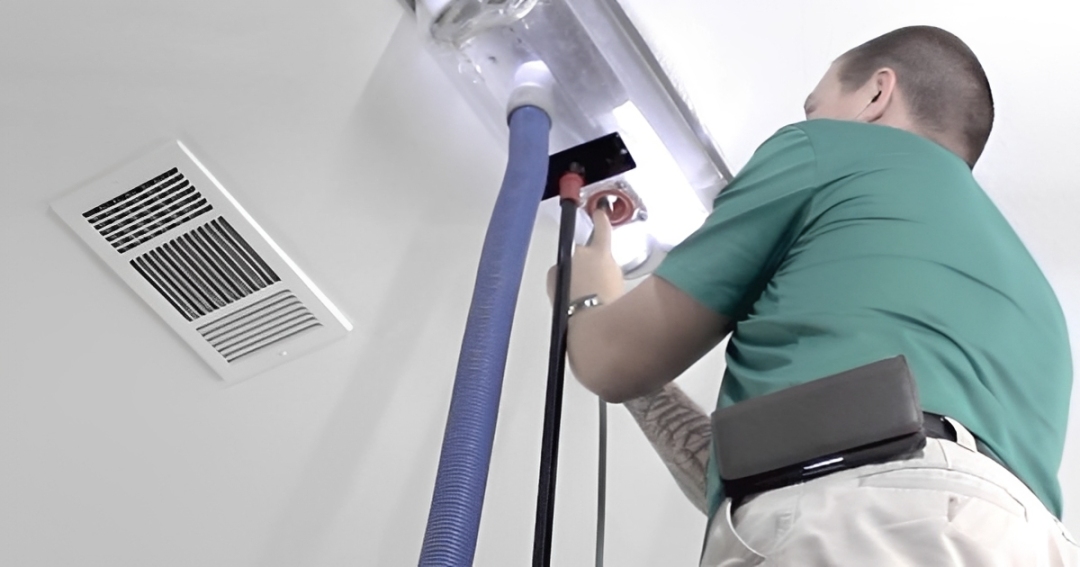
Not every home needs frequent duct cleaning. But if there is visible dust buildup, mold signs, or pest issues, professional cleaning helps. Clean ducts mean cleaner air flow.
Add Air Purifiers
Portable air purifiers with HEPA filters capture fine particles. They work well in bedrooms and living areas where you spend most time. While they do not replace ventilation, they support it.
Be Mindful of Indoor Sources
Limit strong chemical cleaners. Avoid smoking indoors. Use exhaust fans when cooking. Small daily habits reduce overall pollution load.
Why This Matters for Families
Children breathe faster than adults. Pets stay close to the floor where dust settles. Elderly family members may have weaker lungs. That means indoor air quality affects them even more.
Winter already brings flu season and respiratory stress. Adding poor air quality makes things harder. A warm home should feel safe. Not stuffy. Not irritating. Not risky.
The Bigger Picture
Across the world, people are spending more time inside. Remote work, cold seasons, urban living. Indoor weather now shapes daily health in ways we once ignored.
We talk about outdoor pollution often. Traffic. Industry. Climate. But indoor air deserves equal focus because that is where life actually happens.
Your furnace is not the enemy. It just needs support. Clean filters. Proper checks. Balanced humidity. Fresh air breaks. Small changes add up fast.
When you manage your heating system wisely, winter becomes what it should be: calm, warm, and comfortable without hidden air risks.
Protect Your Home with Lakeshore Air Testing
If you want clear answers about your indoor air, guessing is not enough. Professional testing reveals what you cannot see or smell. Lakeshore Air Testing provides detailed indoor air quality assessments that help homeowners understand exactly what is circulating through their space. From furnace-related concerns to hidden contaminants, their team delivers accurate results and practical guidance so you can breathe with confidence all winter long. Schedule your air quality test today and take control of the air inside your home before small issues turn into serious problems.
Contact Form
"*" indicates required fields