

Blog
Why Musty Smells Appear After Winter And Why You Shouldn’t Ignore Them

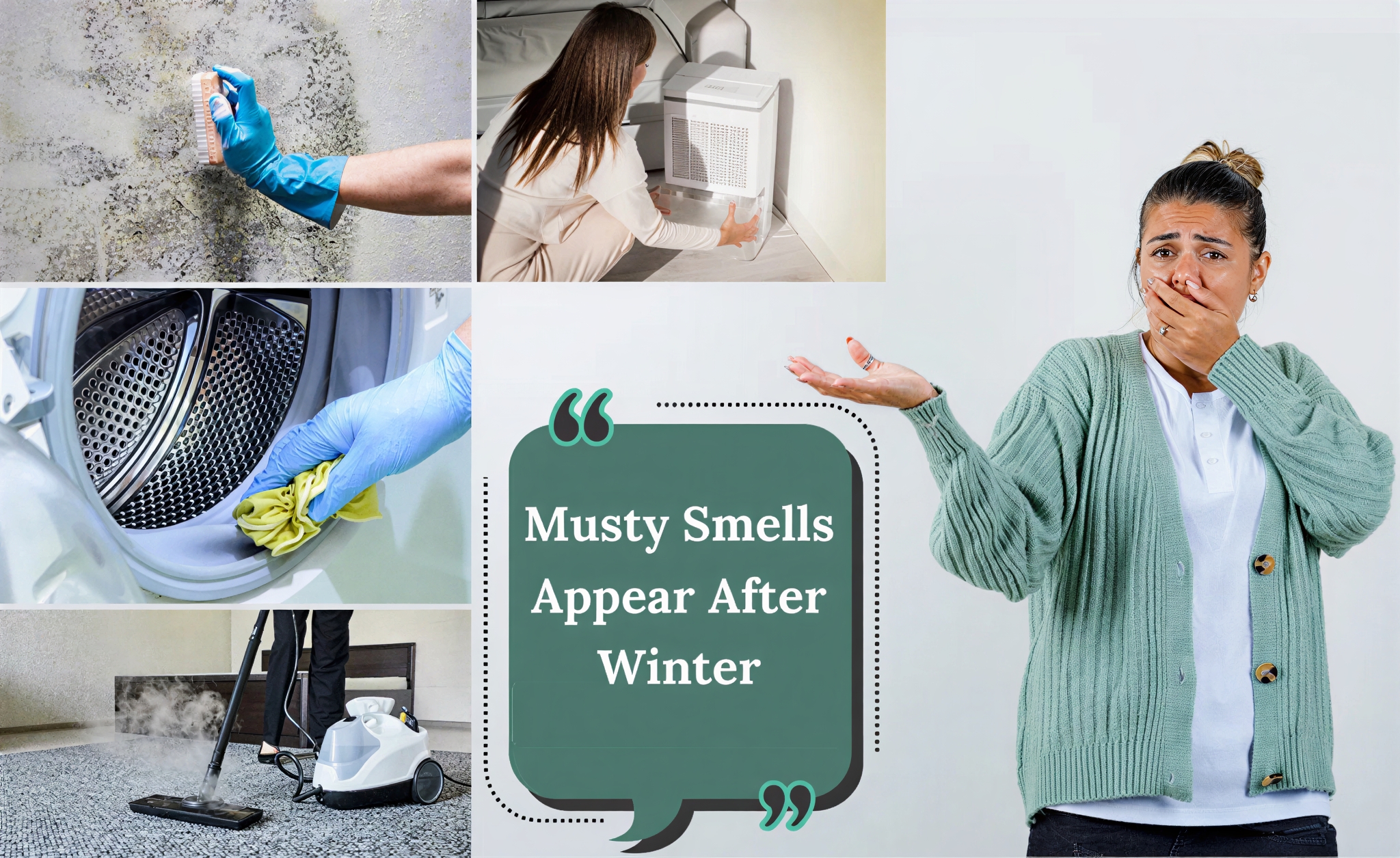
Winter ends. You open the windows. You expect fresh air. Instead, a strange smell hits you. It feels damp. Old. Heavy. Not strong enough to panic, but strong enough to notice.
That musty smell after winter is not random. It is a signal. And most people ignore it far too long.
Homes stay sealed for months during cold weather. Windows remain shut. Air barely moves. Moisture builds slowly. Hidden corners stay dark and damp. By the time spring arrives, the smell has already settled in.
This is when many homeowners start asking, what does mold in your house smell like? Because deep down, they suspect something is not right.
Let’s talk about why this happens and why it deserves your attention.
Why Winter Creates the Perfect Setup
During winter, homes become tight boxes. Heating systems run daily. Showers stay hot and long. Cooking happens indoors more often. Wet boots sit by the door. Snow melts into carpets. All of this adds moisture to the air.
Cold air outside cannot hold much humidity. But inside, warm air holds more. When that warm air touches cold walls, windows, or basements, condensation forms. It collects quietly behind furniture, under sinks, inside closets, and in bathrooms. You may not see it. But moisture does not need much space.
Weeks pass. Air does not circulate well. That trapped moisture feeds mold growth. Once temperatures rise again, the smell becomes stronger. Now you are smelling mold in the house, even if you cannot see it yet.
What Does Mold in Your House Smell Like?
People struggle to describe it. It is not sharp like chemicals. Not rotten like food. Not smoky like fire. It smells earthy. Damp. Like wet cardboard or old paper. Some say it reminds them of a basement that has been closed too long. Others compare it to a pile of damp laundry left sitting for days.
If you have ever walked into an old building and noticed that stale, heavy odor, that is close. So when people ask, what does mold in your house smell like, the answer is simple. It smells like moisture that has never dried. It smells like something slowly breaking down in the dark. And the smell does not disappear on its own.
What Does Mold Smell Like in Your House Compared to a Bathroom?
Bathrooms are common problem spots. Steam from showers builds fast. Fans may not run long enough. Grout and caulk hold moisture.
So what does mold smell like in a bathroom? It often feels sharper there. More concentrated. The air may feel thick after a shower. Towels may never fully dry. The smell can stick to fabric and linger even after cleaning.
In larger areas of the house, the smell spreads wider. It may feel lighter at first. You may only notice it in certain rooms. A basement. A closet. Near a window.
But whether it is strong or subtle, the root cause is often the same. Moisture stayed too long. Mold followed.
Why You Should Not Ignore That Smell
Many people try to mask it. They light candles. Spray air freshener. Open windows for a few hours. The scent fades for a moment. Then it returns.
The problem with ignoring musty smells is simple. Mold does not stay small forever. It spreads. Spores travel through air vents. They settle on new surfaces. If moisture remains, growth continues.
Mold can damage walls, ceilings, wood, and insulation. It weakens materials slowly. What starts as a small patch can turn into expensive repairs.
There is also the health side. Some people feel fine around mild mold. Others react quickly. Headaches. Coughing. Sneezing. Skin irritation. For those with asthma or allergies, symptoms can worsen indoors.
Your body often reacts before your eyes notice visible spots. That is why smelling mold in house should never be brushed aside.
Hidden Places Mold Loves After Winter
Mold does not need open space. It prefers quiet corners.
Behind drywall. Under carpets. Around window frames. Inside HVAC systems. Under sinks. Inside closets packed with winter coats.
Basements are common targets because they stay cooler and darker. Attics can also trap moisture if ventilation is poor. Even bedrooms can develop issues if windows remain sealed and humidity builds.
You may clean surfaces and still notice the smell. That usually means the source is hidden deeper.
How Do You Get Rid of Mold Smell the Right Way?
The question comes up fast: how do you get rid of mold smell?
First, remove the moisture source. Without that step, the smell will always return. Check for leaks. Inspect windows. Look under sinks. Make sure bathroom fans work well and run long enough after showers.
Second, improve airflow. Open windows when weather allows. Use dehumidifiers in damp spaces. Keep indoor humidity between 30 and 50 percent. Air movement matters more than most people realize.
Third, clean affected areas properly. Small surface mold on tile or hard surfaces can sometimes be cleaned with appropriate products. Porous materials like drywall or insulation may need professional removal if growth is deep.
Air purifiers with HEPA filters can help reduce airborne spores. But they do not solve hidden moisture problems. The smell fades only when the source is gone. Covering it up is not a solution.
Why Spring Makes the Smell Stronger
You might wonder why the odor feels worse when winter ends.
Warmer air increases odor release. As temperatures rise, trapped smells become more noticeable. When you finally open windows, fresh air mixes with stale indoor air and highlights the difference.
It is not that mold suddenly appeared in spring. It likely grew slowly during winter. Spring just makes it easier to notice.
That is why post-winter inspections matter. A quick check around moisture-prone areas can save major stress later.
The Global Reality of Musty Homes
This issue is not limited to one country or climate. From cold regions with long winters to humid cities with heavy rainfall, moisture control is a worldwide challenge.
In colder parts of Canada, tightly sealed homes conserve heat but trap humidity. In northern states of the United States, basements often face similar issues after snow melts. In damp regions of United Kingdom, older buildings can hold moisture in walls for months. Different climates. Same pattern. Homes that stay closed too long without proper ventilation create the perfect environment for musty odors to grow.
Trust Your Senses
If your house smells different after winter, pay attention. You live there every day. Subtle changes stand out to you first.
Ask yourself simple questions. Does one room smell stronger than others? Does the odor return after cleaning? Does it feel worse near walls or windows?
Your nose is often the first warning system. And remember, mold does not always look dramatic. It can hide behind paint or inside vents. The smell alone is reason enough to act.
A Healthier Home Starts with Action
You deserve air that feels clean and light. Not heavy and damp. Winter should not leave behind hidden problems that grow quietly into bigger ones.
Addressing musty smells early protects your home’s structure. It also protects the people inside it. Small steps now prevent large repairs later.
Moisture control. Ventilation. Proper inspection. These are not complicated ideas. But they require attention.
Ignoring the smell gives mold time to spread. Acting early gives you control.
Take the Next Step with Lakeshore Air Testing
If you are still unsure about that musty odor, professional testing brings clarity. Lakeshore Air Testing provides detailed indoor air quality assessments to identify mold presence and hidden moisture issues. Their team uses reliable methods to measure what is circulating in your home, so you are not left guessing. Instead of masking smells or hoping they fade, get accurate answers and a clear plan forward. Contact Lakeshore Air Testing today and make sure your home feels fresh, safe, and healthy long after winter ends.
Contact Form
"*" indicates required fields
