

Blog
Should You Get a Mold Inspection Before Buying a Home in Michigan?

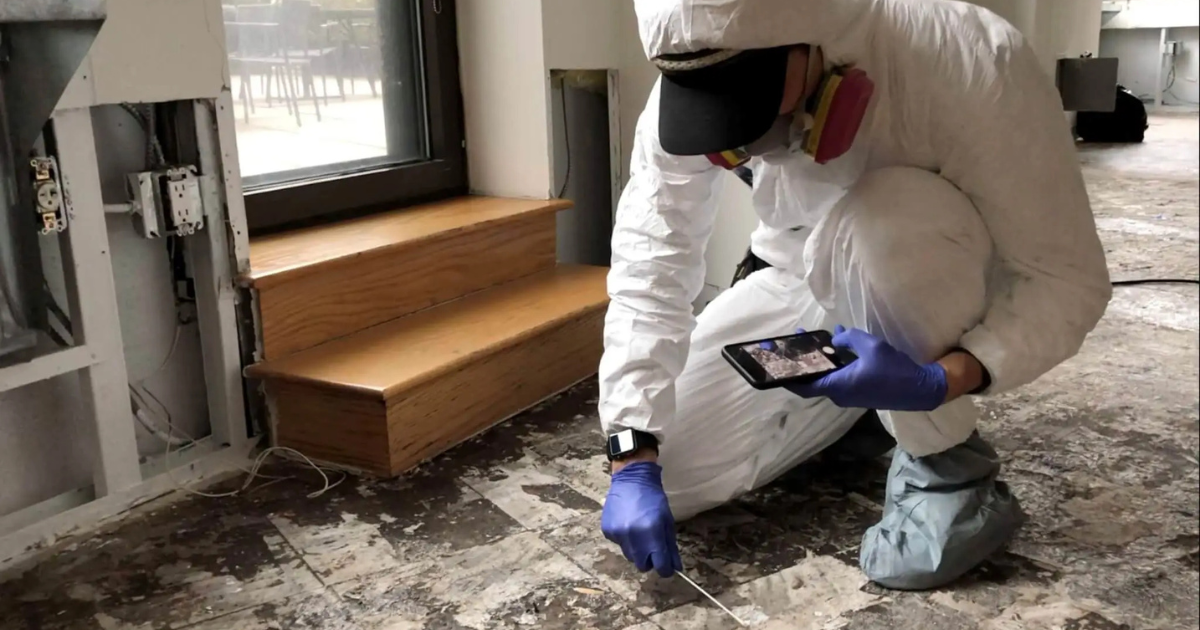
Yes. If you are buying a house in Michigan, a dedicated mold inspection is one of the most useful steps you can take before closing. Michigan climate, older housing stock, and widespread basement construction make mold a genuine risk in residential properties, and standard home inspections are not designed to detect it. A professional mold test gives you lab-confirmed results, in writing, before you are legally committed to the purchase.
Lakeshore Air Testing has inspected hundreds of Michigan homes for mold, asbestos, and lead. This guide reflects what we see in the field across West Michigan.
Why Michigan Homes Have a Higher Mold Risk
Michigan sits between four of the five Great Lakes, which keeps humidity elevated across most of the state for a significant portion of the year. Average indoor relative humidity in West Michigan homes regularly exceeds 60 percent in summer, the threshold above which mold growth accelerates noticeably.
In winter, cold exterior walls combined with warm interior air create condensation inside wall cavities, basement framing, and attic sheathing. Mold can grow in these hidden spaces for months without any visible sign at the surface.
Michigan also has an older housing stock. A substantial portion of homes in Grand Rapids, Kalamazoo, Holland, and surrounding communities were built before 1980. Older construction has less continuous vapor barrier, fewer sealed penetrations, and more history of small leaks that were addressed cosmetically rather than structurally.
What a Standard Home Inspection Does Not Cover
Home inspectors in Michigan perform a visual walkthrough of the property. They are trained to flag visible signs of moisture damage (staining, soft drywall, peeling paint) but they are not equipped to test air or surfaces for mold. If an inspector notes “suspected mold growth” in a report, you still do not know:
- What species of mold is present?
- Whether spore levels exceed safe thresholds
- Whether the mold is active or dormant
- Whether growth has spread beyond the visible area
The U.S. Environmental Protection Agency provides guidance on indoor mold health risks at epa.gov/mold. Independent testing is the only reliable way to confirm what species and concentration is present in a specific property.
A separate mold inspection using air sampling and surface sampling answers all of these questions with laboratory analysis behind the findings.
When Pre-Purchase Mold Testing Makes the Most Sense
A mold test before closing is worth prioritizing when:
- The home was built before 1990
- The property has a full basement, crawl space, or unfinished attic
- The home has been vacant for more than a few months
- The inspection report flagged water intrusion, moisture readings, or staining
- There is a musty or earthy smell anywhere in the home
- The property is near a river, lake, or known flood area
- There is any history of a pipe burst, roof leak, or flooding
You do not need visible mold to have an elevated spore count. Mold can be present in high concentrations in air and inside HVAC systems while surfaces look completely clean.
What Happens During a Mold Test in Michigan
A professional mold inspection at a residential property typically takes one to two hours. The process includes:
- Air sampling. Spore trap cassettes collect air from the main living area, the basement, and at least one outdoor control location. The outdoor sample establishes what is naturally present in the environment so the laboratory can measure indoor elevation above background levels.
- Surface sampling. If there is visible discoloration or suspected growth on any surface, a tape lift or swab sample is collected for species identification.
- HVAC inspection. The air handler, return air vents, and visible ductwork are checked for discoloration or debris that could indicate mold circulating through the system.
- Written report. Samples go to a certified laboratory. Results are returned within 24 to 48 hours. You receive an AHERA-compliant written report with species identification, spore counts per cubic meter of air, and an interpretation of the findings.
How Much Does Mold Testing Cost in Michigan?
Mold testing in Michigan starts from $150. That covers the on-site inspection, air sampling, laboratory analysis, and the written report you can use in negotiations.
For context: professional mold remediation in a Michigan home ranges from $500 for a small, isolated surface issue to $10,000 or more for a full basement or attic. A test before closing is a low-cost step against the risk of discovering the problem after you own the property.
How to Use the Test Results in Your Real Estate Transaction
A written mold report is a negotiating tool. If elevated mold levels are confirmed:
- You can request the seller hire a certified remediation contractor before closing
- You can negotiate a price reduction to offset the cost of remediation
- Depending on your contract language, you may be able to use a contingency clause to exit the purchase
If the test comes back clear, you have documentation that the property was independently evaluated before closing. That record has value for your own records and may be relevant to future insurance claims.
Your real estate agent and attorney can advise on how to apply the report to your specific transaction.
Frequently Asked Questions
Is mold testing required before buying a home in Michigan?
Mold testing is not legally required in Michigan real estate transactions. However, it is strongly recommended. Sellers in Michigan are not obligated to test for mold, and standard home inspections do not include air or surface sampling. Getting an independent test before closing puts verified, lab-confirmed information in your hands before you are committed to the purchase.
Can a regular home inspector find mold?
A home inspector can note visible signs of moisture damage or suspected mold growth, but cannot confirm the presence, species, or concentration of mold without testing equipment. A dedicated mold inspection uses air sampling cassettes, surface swabs, and laboratory analysis to deliver results that a standard inspection walkthrough cannot provide.
How long does a mold test take in Michigan?
The on-site inspection takes one to two hours depending on the size of the property. Laboratory analysis is completed within 24 to 48 hours, and you receive a written report with full findings and interpretations.
What types of mold are most common in Michigan homes?
The most frequently identified mold species in Michigan residential properties include Cladosporium, Penicillium, Aspergillus, and Stachybotrys chartarum. Elevated concentrations of any of these species can cause health issues, particularly for people with allergies, asthma, or compromised immune systems. A laboratory report identifies the exact species present and their concentration.
What should I do if mold is found before closing?
Review the written report with your real estate agent and attorney. Your options typically include requesting the seller remediate the property before closing, negotiating a price reduction to cover the cost of professional remediation, or using an inspection contingency to withdraw from the purchase if the mold issue is substantial.
Ready to schedule a mold test before your closing date?
Lakeshore Air Testing serves home buyers across West Michigan, including Grand Rapids, Kalamazoo, Holland, Grandville, Zeeland, Hudsonville, and surrounding areas. Testing starts from $150. Written results within 24 to 48 hours.
