

Blog
Lead Paint Disclosure Michigan: What Home Sellers Need to Know Before Listing

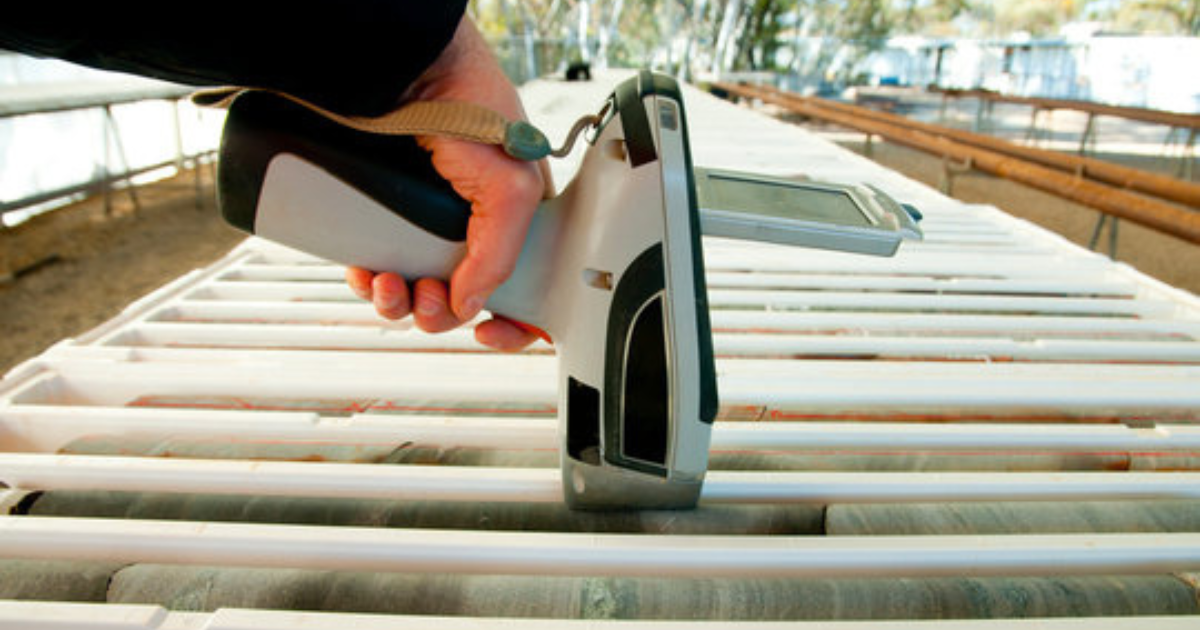
If you are selling a house built before 1978 in Michigan, federal law requires you to disclose the potential presence of lead-based paint to buyers before the sale closes. This applies to all residential properties built before 1978, regardless of whether you have tested for lead paint or not. The law does not require you to test — but testing before you list gives you verified information that protects you through the transaction and removes uncertainty for buyers.
Lakeshore Air Testing has tested hundreds of Michigan homes for lead paint, asbestos, and mold. This guide covers what the disclosure rules actually require and why testing before listing is worth the step for sellers in Grand Rapids, Kalamazoo, Holland, and across West Michigan.
The Federal Rule That Applies to Pre-1978 Homes
The Residential Lead-Based Paint Hazard Reduction Act (Title X) is the federal law that governs lead paint disclosure in real estate transactions. It is administered jointly by the EPA and the Department of Housing and Urban Development. Full disclosure requirements are published at epa.gov/lead/real-estate-disclosure.
Under this law, sellers of residential properties built before 1978 are required to:
| Requirement | Detail |
| Disclose known information | Tell buyers about any known lead-based paint or lead hazards in the property |
| Provide available records | Share any existing reports, test results, or documentation related to lead paint |
| Provide EPA pamphlet | Give buyers the EPA document “Protect Your Family From Lead in Your Home” before the sale |
| Allow inspection period | Give buyers a 10-day window to conduct their own lead paint inspection (buyers may waive this in writing) |
| Complete disclosure form | Sign and attach the federally required Lead-Based Paint Disclosure Form to the sale contract |
This rule applies in Michigan exactly as it applies in every other state. It is a federal requirement enforced nationwide, not a state-level option.
What “Disclose” Actually Means for Sellers
Disclosure means telling buyers what you know. If you have never tested for lead paint and have no information about its presence, you can disclose that you have no known information about lead paint hazards in the property. You are not required to guess or estimate.
However, if you have tested the property and the results showed lead paint, you are required to disclose those findings. Concealing known lead paint hazards is a federal violation. The EPA and HUD can pursue civil penalties against sellers who fail to disclose, and buyers who discover undisclosed lead paint after closing can seek damages.
The practical rule: disclosure covers what you know. Testing determines what you know.
Should You Test Before Listing?
You are not legally required to test before selling. But there are four practical reasons why testing before listing is worth the step:
1. If testing confirms no lead paint is present, you can market the home with that verified result. This removes a common buyer concern before it becomes a negotiation issue at an already stressful moment in the transaction.
2. If testing finds lead paint, you know exactly what you are disclosing and what remediation or encapsulation options exist before the buyer discovers it during their own inspection period.
3. Buyers purchasing pre-1978 homes in Michigan increasingly request lead paint testing as part of due diligence. Having a completed test report ready shortens the transaction timeline.
4. A lab-confirmed written report carries more weight in negotiations than an informal disclosure of “I have no information.” Verified documentation is a professional asset in any property transaction.
What Happens If Lead Paint Is Found
Finding lead paint in a Michigan home does not prevent a sale. The presence of lead paint in an older property is very common. The EPA estimates that approximately 87 percent of homes built before 1940 contain some lead-based paint, and about 24 percent of homes built between 1960 and 1977 do as well.
When lead paint is identified, sellers in Michigan typically have four options:
• Sell as-is with full disclosure price the property to reflect the condition and disclose the findings accurately in the contract
• Encapsulation painting over intact lead paint with a bonding primer is a recognized lead hazard control method and does not require full removal
• Remediation before listing hire a certified lead abatement contractor to remove or seal the affected areas before putting the property on the market
• Negotiate with the buyer use the written test report as the basis for a price adjustment or seller credit toward remediation costs
A written report from a professional lead paint test gives both parties documented facts to work with, rather than assumptions.
Why This Matters More in Michigan Than Many Other States
Michigan’s housing stock is older than the national average. Grand Rapids, Kalamazoo, Holland, and surrounding West Michigan communities have large concentrations of pre-1978 homes. If you are selling in these markets, lead paint disclosure is almost certainly a relevant issue rather than a remote concern.
Michigan does not impose additional state-level lead paint disclosure requirements for residential sales beyond the federal rule. However, the federal requirements are actively enforced, and real estate agents in Michigan are trained to ensure the disclosure form is completed before contract execution.
How a Lead Paint Test Works at Lakeshore Air Testing
A professional lead paint test at a residential property identifies whether lead-based paint is present on surfaces and at what concentration. The process includes:
• Surface sampling paint chip or swab samples are collected from suspect surfaces throughout the property and submitted to a certified laboratory for analysis
• Laboratory analysis the lab measures lead concentration and returns findings within 24 to 48 hours
• Written report you receive a professional report documenting which surfaces were tested, the lead concentration found at each location, and an interpretation of the results
The written report is the document you use in your disclosure packet and, if needed, in negotiations with the buyer.
Frequently Asked Questions
Do I have to disclose lead paint when selling a house in Michigan?
Yes. If the home was built before 1978, federal law requires you to disclose any known lead paint information to buyers before the sale closes. This applies to all residential properties built before 1978 regardless of state. Michigan does not add requirements beyond the federal rule, but the federal rule is strictly enforced by the EPA and HUD.
Am I required to test for lead paint before selling in Michigan?
No. Federal law requires you to disclose what you know — not to test. However, testing before listing gives you verified information that can strengthen your negotiating position and removes uncertainty for buyers. If you test and lead paint is not found, you can market the home with that verified result.
What happens if I don’t disclose lead paint when selling a house?
Failure to comply with federal lead paint disclosure requirements can result in civil penalties and potential liability for damages. The EPA and HUD jointly enforce the rule. If lead paint hazards were known and not disclosed, sellers can face significant legal and financial consequences.
How much does lead paint testing cost in Michigan?
Lead paint testing at Lakeshore Air Testing starts from $150. That covers the on-site inspection, surface sampling, laboratory analysis, and a written report documenting all findings by location and surface type.
Can I sell a house with lead paint in Michigan?
Yes. The presence of lead paint does not prevent a sale. The legal requirement is disclosure, not removal. Sellers can sell the property as-is with appropriate disclosure, negotiate a price adjustment, arrange encapsulation or remediation before listing, or negotiate remediation costs with the buyer after testing.
Selling a pre-1978 home in Michigan? Get a lead paint test before you list.
Lakeshore Air Testing provides lead paint testing across West Michigan, including Grand Rapids, Kalamazoo, Holland, Grandville, Zeeland, Hudsonville, and surrounding areas. Testing starts from $150. Written results within 24 to 48 hours.
buy
