

Blog
Mold in Rental Properties: What Michigan Landlords Are Legally Responsible For

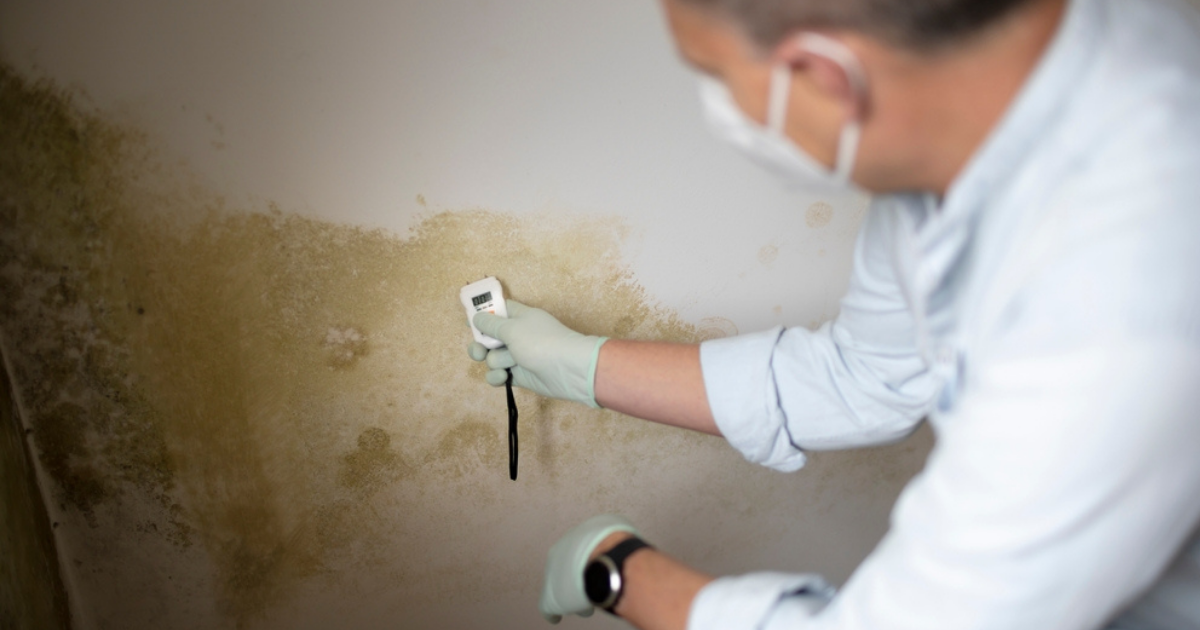
Michigan landlords are required to maintain rental properties in a condition that is fit for habitation. When mold is present in a rental unit and results from a structural deficiency, plumbing failure, or inadequate ventilation that the landlord controls, it falls under that obligation. A tenant who reports mold in writing is creating a documented record that the landlord must respond to. The most defensible position for any Michigan landlord facing a mold complaint is to act promptly, test professionally, and document every step. This guide covers what the law expects, what professional testing provides, and why documentation matters more than the test result alone.
Lakeshore Air Testing provides mold testing for rental properties and multi-unit buildings across Kalamazoo, Grand Rapids, Holland, Muskegon, and West Michigan. Written reports are returned within 24 to 48 hours and provide the documentation landlords need to respond to tenant complaints with verifiable evidence.
What Michigan Landlords Are Generally Required to Do
Michigan’s landlord-tenant law requires rental properties to be maintained in a habitable condition throughout the tenancy. While Michigan does not have a mold-specific statute that sets numerical thresholds, the general habitability requirement covers conditions that create a health hazard, and mold resulting from landlord-controlled deficiencies falls under this framework.
The obligations in the table below describe what Michigan landlords are generally expected to do when mold is a factor in a rental property. This is general guidance, not legal advice. For specific situations, consult a Michigan attorney.
| # | Obligation | What This Means in Practice |
| 1 | Respond to written complaints promptly | When a tenant reports mold in writing, the landlord is expected to investigate and respond within a reasonable timeframe. “Reasonable” in a habitability context is typically measured in days, not weeks. Delayed responses are a significant legal risk. |
| 2 | Investigate the source, not just the surface | Wiping visible mold without identifying the moisture source results in regrowth. Michigan courts look at whether a landlord made a genuine effort to identify and fix the underlying cause, not just the cosmetic symptom. |
| 3 | Use independent, documented testing | A professional mold test creates an independent record of what was present at a specific date and location. This protects landlords against inflated claims and provides a defensible baseline for any remediation decision. |
| 4 | Perform or arrange qualified remediation | For mold growth beyond minor surface areas, remediation should be performed by qualified contractors following established protocols. This creates a documented remediation record. |
| 5 | Conduct clearance testing after remediation | Post-remediation clearance testing by an independent inspector confirms the problem is resolved. This closes the loop on the documented record and protects against future claims related to the same issue. |
| 6 | Disclose known conditions to prospective tenants | Michigan landlords are generally required to disclose known material conditions that affect habitability. Known, undisclosed mold creates legal exposure during re-leasing. |
Why August and September Are High-Risk Months for Michigan Landlords
The end of August and the first weeks of September are the highest-volume lease-turnover period in Michigan, particularly in cities with large universities. Kalamazoo, Grand Rapids, East Lansing, and Ann Arbor all see significant tenant movement in this window, with new leases beginning September 1.
This creates specific mold risk for landlords in two ways. First, properties that sat vacant through a warm, humid Michigan summer may have developed mold in basements, crawl spaces, or poorly ventilated bathrooms that becomes apparent only when new tenants move in and report it. Second, incoming tenants who notice a musty smell or visible discoloration during their first days in the unit are likely to report it in writing immediately, creating a documented complaint record from day one of the tenancy.
A pre-turnover mold test conducted before September 1 puts landlords in a far stronger position. If mold is found, it can be addressed before the new tenancy begins. If the property tests clean, the landlord has a documented baseline that protects against future claims about pre-existing conditions.
The Documentation Case for Professional Testing
The value of a professional mold test in a landlord-tenant context is not only about finding mold. It is about creating a documented, third-party record of the property’s condition at a specific point in time.
A professional written report provides:
• Independent third-party documentation from a professional inspector, not the landlord or tenant
• Species identification, which establishes whether the mold present is a common environmental type or a species associated with higher health risks
• Spore concentration data by room, which provides an objective measure of whether levels are elevated above outdoor background
• A timestamp, which establishes the condition of the property at the specific date of testing
This documentation is the landlord’s primary protection in any dispute. A tenant claiming they reported mold for months with no response is a very different situation from a landlord who can show a professional inspection within two weeks of receiving a written complaint, followed by documented remediation and a clearance test.
The Michigan Attorney General’s office provides guidance on landlord and tenant rights in Michigan at michigan.gov/ag. Landlords dealing with a complex mold dispute should consult a Michigan attorney familiar with residential landlord-tenant law in addition to obtaining professional testing documentation.
What a Rental Property Mold Test Includes
• On-site inspection. The inspector assesses the full property, including basement, crawl space, bathroom and kitchen areas, and any rooms where the tenant has reported symptoms or visible mold.
• Air sampling. Spore trap cassettes collect air from the unit and an outdoor control location. Laboratory analysis identifies species and compares indoor spore concentrations to outdoor background.
• Surface sampling. If visible discoloration is present, a tape lift or swab sample confirms whether it is mold and identifies the species.
• Written report within 24 to 48 hours. The report documents findings by location with species identification, spore counts, and an interpretation of what the results mean for the property.
For multi-unit buildings, testing can be scheduled to minimize disruption to tenants and can cover multiple units in a single visit.
Frequently Asked Questions
Is a Michigan landlord responsible for mold in a rental property?
Yes. Under Michigan law, landlords are required to maintain rental properties in a condition fit for habitation, which includes keeping the property free from conditions that create health hazards. Mold resulting from structural deficiencies, plumbing failures, or inadequate ventilation that the landlord controls falls under this obligation. A tenant who reports mold in writing is triggering a documented notification that the landlord is expected to respond to promptly.
What should a Michigan landlord do when a tenant reports mold?
The most defensible response is to act promptly and document every step. Schedule a professional mold test to establish what is present and at what level. Keep written records of all tenant communications, testing results, remediation work performed, and any follow-up clearance testing. A documented complaint that goes unaddressed creates significant legal exposure for the landlord.
Can a Michigan tenant withhold rent because of mold?
Under Michigan law, tenants may have remedies available when a landlord fails to maintain a habitable property. Consulting with a Michigan attorney is the appropriate step for either party when a mold dispute escalates. As a landlord, having documented proof that you tested and addressed the issue promptly is your strongest protection against these claims.
How much does rental property mold testing cost in Michigan?
Rental property mold testing through Lakeshore Air Testing starts from $150. That covers the on-site inspection, air sampling, laboratory analysis, and a written report documenting the findings. Results are returned within 24 to 48 hours. For landlords managing multiple units, testing can be scheduled to minimize disruption to tenants.
Do Michigan landlords have to disclose mold to prospective tenants?
Michigan landlords are generally required to disclose known material defects and conditions that affect habitability. Known, undisclosed mold in a rental unit creates legal exposure. A professional mold test that documents a clean result protects landlords during this disclosure process and demonstrates due diligence in maintaining the property.
Managing rental properties in Michigan? A professional mold test protects you legally and financially.
Lakeshore Air Testing serves landlords in Kalamazoo, Grand Rapids, Holland, Muskegon, and West Michigan. Mold testing starts from $150. Written results within 24 to 48 hours.
