

Blog
Indoor Air Quality Checklist: What Michigan Homeowners Should Test Before Winter

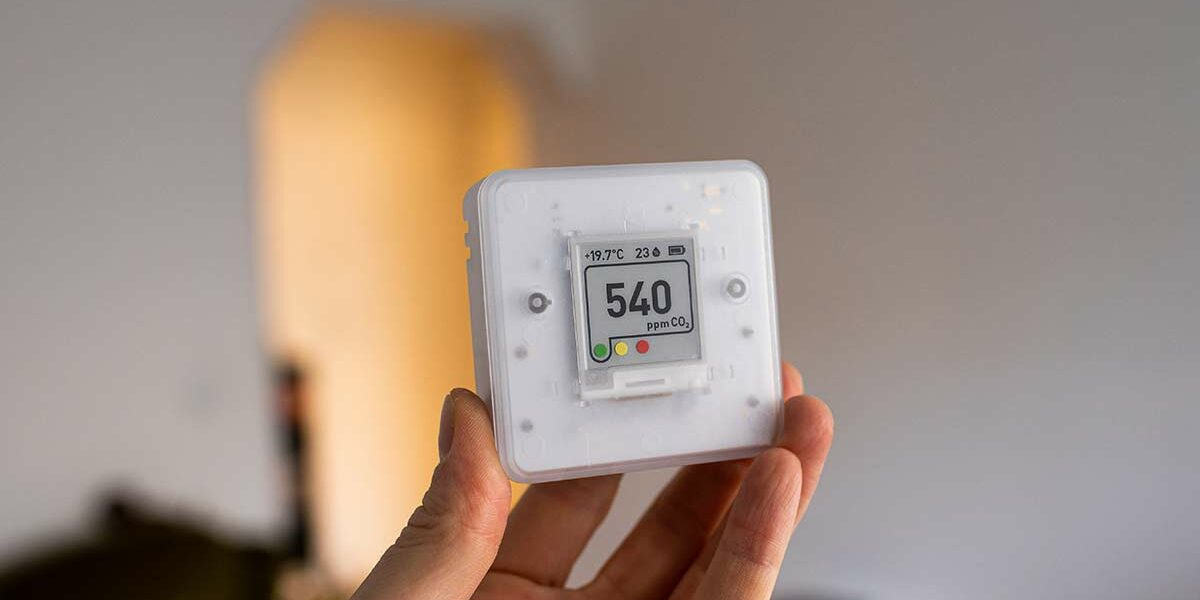
Before sealing a Michigan home for winter, the highest-priority air quality tests are: a radon test, an HVAC mold inspection before the furnace runs for the first time, a basement mold assessment, and a VOC air test if any renovation or new materials were added in the past 12 months. Michigan homes sealed for the winter concentrate indoor air hazards that are diluted or undetected in the warmer open-window months. Testing in October and early November captures these hazards before they become a six-month exposure event.
Lakeshore Air Testing has provided indoor air quality assessments across West Michigan for over a decade. This checklist covers what to test, when to do it, and why each item is more critical before winter than at any other time of year.
Why Winter Makes Indoor Air Quality Worse
Michigan winters average 150 to 180 days of cold weather during which homes are sealed with windows closed and mechanical ventilation limited. During this period, every contaminant present in the home accumulates rather than being diluted by outdoor air exchange. What is tolerable at a low concentration in a well-ventilated summer home becomes a persistent, high-concentration exposure in a sealed winter home.
Three specific mechanisms drive Michigan winter air quality degradation:
• Radon concentration. Radon enters homes year-round but accumulates most severely when ventilation is reduced. Fall and winter testing consistently produces Michigan’s highest radon readings.
• Mold spore circulation. Mold that grew on HVAC components or in the basement over summer becomes fully airborne when the heating system activates and forces air through the entire home.
• VOC off-gassing peak. Formaldehyde, solvents, and other volatile organic compounds released from building materials and furniture off-gas at rates that increase in tightly sealed indoor environments with reduced dilution ventilation.
The Pre-Winter Air Quality Checklist
Use this checklist each October before the home is fully sealed for Michigan’s heating season.
| Test / Inspection | Best Timing | What It Detects | Priority |
| Radon test | September to November | Radioactive gas from soil; 2nd leading cause of lung cancer in the US | Critical |
| HVAC mold inspection | Before first furnace use (October) | Mold in air handler, ducts, drain pan circulating spores on first heat | Critical |
| Basement mold assessment | September to October | Mold growth from summer humidity events not yet visible at surface | High |
| VOC air test | If renovation, new flooring, or furniture added in past 12 months | Formaldehyde, benzene, solvents from materials and finishes | High if applicable |
| Carbon monoxide detector | October (start of heating season) | CO from malfunctioning combustion appliances — annual battery and function check | Life safety — homeowner action |
Radon: The First Priority
Radon is the single highest-severity undetected risk in a sealed Michigan home during winter. It is odorless, colorless, and produces no immediate symptoms — which is precisely why it goes undetected for years in homes where it has reached dangerous concentrations.
Michigan has documented radon risk across the Lower Peninsula in both Zone 1 (above the EPA action level of 4 pCi/L) and Zone 2 areas. Testing in October and November provides the most accurate reading because homes are sealed and radon has reached its seasonal peak.
Full guidance on Michigan radon risk, test types, and what levels require action is covered in Radon Testing in Michigan Homes on the Lakeshore blog.
HVAC Mold: The Most Immediately Noticeable Risk
When a Michigan home’s furnace runs for the first time each October, it forces air through every duct in the house. If mold grew inside the air handler, on the drain pan, or on duct surfaces over summer, the first heating cycle distributes mold spores into every room simultaneously.
This is why mold symptoms that seem to appear suddenly in October are rarely a new problem. The mold was present all summer. The furnace activation is what makes it airborne and occupant-facing. An HVAC mold inspection before the first heat use can identify and remove growth before it circulates.
Basement Mold: The Silent Summer Accumulation
Michigan basements accumulate moisture during the humid summer months through foundation seepage, condensation on cold surfaces, and limited ventilation. Mold established on joists, drywall, insulation, or stored materials over summer becomes airborne when air movement in the basement increases as the heating season begins.
A basement mold air test in September or October confirms whether summer conditions produced active growth and at what spore concentration. Identifying and addressing basement mold before winter prevents a six-month elevated-exposure period for the household.
VOC Testing: When Renovations Changed the Equation
Volatile organic compounds (VOCs) are emitted by a wide range of building materials, finishes, and furnishings — including new flooring, paint, adhesives, particleboard cabinetry, and new upholstered furniture. Off-gassing rates are highest in the months immediately following installation and peak in environments with reduced ventilation.
If a Michigan home underwent renovation, had new flooring installed, or received significant new furniture additions in the past 12 months, a pre-winter VOC test establishes baseline concentrations before the home seals for the season. Elevated VOC levels in a sealed winter home represent a daily exposure with no dilution ventilation to offset it.
The EPA’s indoor air quality resource at epa.gov/indoor-air-quality-iaq covers VOC health effects and ventilation guidance applicable to Michigan homes during the winter season.
How to Prioritize If You Are Starting Fresh
If this is the first pre-winter assessment in a Michigan home with no known history of prior testing, prioritize in this order:
• Radon test first. Highest long-term health consequence, lowest cost. A professional radon test can be scheduled and completed in 48 to 72 hours.
• HVAC mold inspection second. Most immediately impactful for daily comfort and respiratory health. Schedule before the furnace runs for the season.
• Basement mold assessment third. Particularly important in homes built before 1980, those with prior water events, or homes with any musty odor in the lower level.
• VOC test only if applicable. Required when recent renovation or new materials are part of the home’s recent history.
Frequently Asked Questions
What air quality tests should Michigan homeowners do before winter?
The highest-priority tests are: (1) a radon test, because homes sealed for winter reach their highest annual radon concentrations; (2) an HVAC mold inspection before the furnace runs for the first time; (3) a basement mold assessment for summer moisture growth; and (4) a VOC air test if any renovation, new flooring, or furniture was added in the past 12 months.
What is the biggest indoor air quality risk in a sealed Michigan home in winter?
Radon is the highest-severity undetected risk. It is odorless, colorless, and the second-leading cause of lung cancer in the United States. HVAC mold circulation is the most immediately noticeable risk — it causes respiratory symptoms and allergy flare-ups — but radon carries the most serious long-term health consequence for Michigan households that go untested year after year.
How often should Michigan homeowners test indoor air quality?
Radon should be tested every two years, or after any basement or foundation renovation. Mold testing is recommended annually for homes with prior water events, older basements, or HVAC systems that have not been inspected in over 12 months. A VOC assessment is recommended before any winter in which new flooring, cabinetry, paint, or furniture was added.
Is radon worse in winter in Michigan homes?
Yes. Radon concentrations in Michigan homes are consistently higher during winter because homes are sealed. Testing conducted October through March reflects actual radon exposure during the majority of the year. This makes fall the best time to test — you get a reading representative of true winter exposure while there is still time to arrange mitigation before the coldest months.
Can I test radon and mold at the same time in a Michigan home?
Yes. Lakeshore Air Testing can conduct radon testing and mold air quality testing during the same site visit. Radon testing uses a continuous electronic monitor placed in the lowest occupied level. Mold air sampling uses separate spore trap cassettes from the main living areas, basement, and an outdoor reference location. The two tests do not interfere with each other, and combining them reduces total time and cost compared to separate visits.
Ready to know your home’s air quality before winter? We test everything on this list
Lakeshore Air Testing serves Grand Rapids, Kalamazoo, Holland, and the surrounding West Michigan region. Radon testing, mold testing, VOC testing, and full indoor air quality assessments. Written results within 24 to 48 hours.
