

Blog
Mold in Your Michigan Home’s HVAC System: What to Check Before You Turn On the Heat

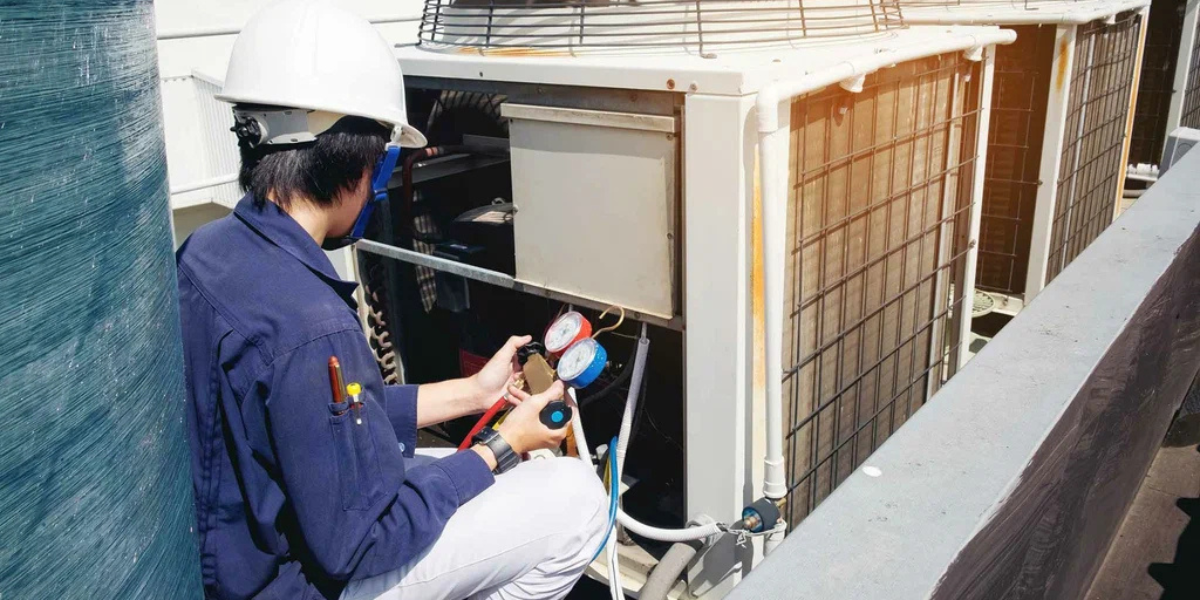
Michigan furnaces sit completely idle for five to six months every year. During that time, summer heat and humidity create favorable conditions for mold growth inside the air handler, on the evaporator coil, and in the ductwork connected to it. When the furnace runs for the first time in fall, anything that developed over the summer is circulated through every room in the home with every cycle. A musty smell that appears when the heat first turns on is one of the most reliable indicators that mold is already present in the HVAC system.
Lakeshore Air Testing conducts mold and air quality inspections in homes throughout Grand Rapids, Kalamazoo, Holland, Muskegon, and West Michigan. This guide covers how mold gets into Michigan HVAC systems, the warning signs to look for before heating season starts, and what a professional test includes.
Why Michigan HVAC Systems Are a High-Risk Location for Mold
Three conditions combine to make Michigan HVAC systems particularly prone to mold growth during the off-season.
The first is summer humidity. Michigan summers bring high humidity driven in part by proximity to the Great Lakes. The evaporator coil inside a central air conditioning system removes moisture from indoor air as part of the cooling process. Condensation collects in the drain pan and drain line beneath the coil. When the system shuts down for the season, any residual moisture in the drain pan, on the coil surface, and in the air handler housing creates a wet environment that mold can colonize.
The second is stagnant air in the ductwork. Ductwork that runs through unconditioned spaces like attics, crawl spaces, or unfinished basement sections absorbs ambient humidity during summer. Without airflow to dry the interior surfaces, moisture levels inside ducts can remain elevated enough for mold growth over an extended period.
The third is the lack of visible access. Unlike a basement wall or bathroom ceiling where mold becomes visible at the surface, the interior of ductwork and air handlers is largely inaccessible to a homeowner visual check. Mold can grow for an entire summer with no indication until the system runs and the smell or symptoms appear.
Warning Signs Your Michigan HVAC System Has a Mold Problem
If any of these indicators are present, a professional air sampling test is the appropriate next step before the heating season begins in earnest.
| Warning Sign | What It Indicates |
| Musty odor when system runs | Mold in the air handler, on the coil, or in ductwork releasing spores with each heating or cooling cycle. The smell often fades after the first few minutes as spores disperse, which does not mean the problem has cleared. |
| Dark discoloration at vent registers | Mold growth at the register itself or just inside the duct opening near the vent. Visible at the surface means growth behind it is typically more extensive. |
| Symptoms that worsen when HVAC runs | Sneezing, congestion, eye irritation, or headaches that appear or intensify when the heat or air conditioning is on indicate airborne spores being distributed through the system. |
| Dark or spotted dust near vents | Normal dust is light gray. Dark speckling in vent dust accumulation indicates mold debris mixed into the particulate being circulated through the system. |
| System has not run in 6-plus months | A system that sat idle through a Michigan summer without running is at highest risk. Lack of airflow during the humid season is the primary condition for in-duct mold development. |
| Any water event near the HVAC | A basement flood, drain line backup, or roof leak that brought moisture near the air handler or ductwork is a direct mold risk factor that warrants inspection before running the system. |
Why Air Sampling Is More Reliable Than a Visual Check
A visual inspection of accessible ductwork and the air handler identifies mold that is visible at a surface. It cannot tell you whether spore concentrations in the home’s air are elevated, whether growth is occurring in sections of ductwork that cannot be seen, or which species are present.
Air sampling collects actual air from the main living areas and an outdoor control location. The laboratory analysis compares indoor spore concentrations to the outdoor background level and identifies the species present. This tells you whether the HVAC system is distributing mold throughout the home even when no visible growth is accessible.
The EPA provides guidance on mold in homes and HVAC systems at epa.gov/mold. For Michigan homeowners with older HVAC systems, reviewing this resource before the heating season is worthwhile.
When to Test Your Michigan Home’s HVAC for Mold
A professional mold test is the right call when:
• You notice any musty odor the first time the furnace or heat pump runs in fall
• The system has sat idle since spring and the home experienced elevated summer humidity
• Household members have unexplained allergy or respiratory symptoms that appear or worsen at home
• Your mold test from earlier in the year came back with elevated levels in multiple rooms simultaneously, suggesting an HVAC source rather than a localized one
• You have recently moved into a Michigan home and do not know the history of the HVAC system or whether mold has been an issue previously
• You have completed mold remediation elsewhere in the home and want to confirm the HVAC system did not carry spores throughout the property
What a Michigan HVAC Mold Inspection Includes
A professional mold inspection focused on the HVAC system typically takes one to two hours and includes:
• Air sampling. Spore trap cassettes collect air from the primary living areas and an outdoor control location. Laboratory results show whether indoor spore concentrations are elevated above outdoor background and identify which species are present.
• Air handler assessment. The air handler cabinet is visually inspected for visible mold growth, condition of the drain pan, and any moisture accumulation on the coil housing or surrounding surfaces.
• Accessible ductwork check. Supply and return registers are inspected for visible growth or unusual discoloration, and the duct openings are assessed where accessible.
• Written report within 24 to 48 hours. The report documents species, spore counts by room, and an interpretation of whether findings are consistent with an HVAC distribution source.
Frequently Asked Questions
Can mold grow in my Michigan home’s HVAC system?
Yes. The air handler, ductwork, and coils of a Michigan HVAC system can develop mold growth during the summer months, when the cooling system creates condensation and humidity levels inside the unit rise. Mold that establishes in the HVAC system is then distributed through every room in the home with every heating or cooling cycle. This is why some Michigan homes show elevated mold spore counts in every room simultaneously, even when no visible mold is present in the living areas.
How do I know if there is mold in my HVAC ducts?
Common indicators include a musty or stale odor that appears specifically when the system turns on, dark discoloration around vent registers, allergy or respiratory symptoms that worsen when the heat or air conditioning is running, and dust accumulation around vents that appears darker or spotted compared to normal dust. A professional air sampling test is the only reliable way to confirm whether elevated spore levels in the home are HVAC-related.
How much does HVAC mold testing cost in Michigan?
HVAC mold testing through Lakeshore Air Testing starts from $150. The inspection includes air sampling from multiple rooms, an assessment of the HVAC system including the air handler and accessible ductwork, and a written report with findings returned within 24 to 48 hours.
When is the best time to test for HVAC mold in Michigan?
The best time is in September, before you turn on the heat for the first time after summer. Michigan HVAC systems sit idle for several months during the warm season, and summer humidity creates favorable conditions for mold growth inside the air handler and ductwork. Testing before first heating use reveals any mold that developed over summer, before it circulates through the entire home.
Can I test for HVAC mold myself?
DIY mold test kits are passive gravity-settle tests that cannot measure airborne spore concentrations or identify species with laboratory accuracy. They also cannot confirm whether the source is the HVAC system specifically. A professional test uses calibrated air sampling equipment, collects samples from multiple locations including an outdoor control, and provides laboratory-analyzed results with species identification and spore counts per cubic meter of air.
Turning on the heat soon? Test your Michigan home’s air quality before you seal up for winter.
Lakeshore Air Testing serves Grand Rapids, Kalamazoo, Holland, Muskegon, and West Michigan. Mold and air quality testing starts from $150. Written results within 24 to 48 hours.
